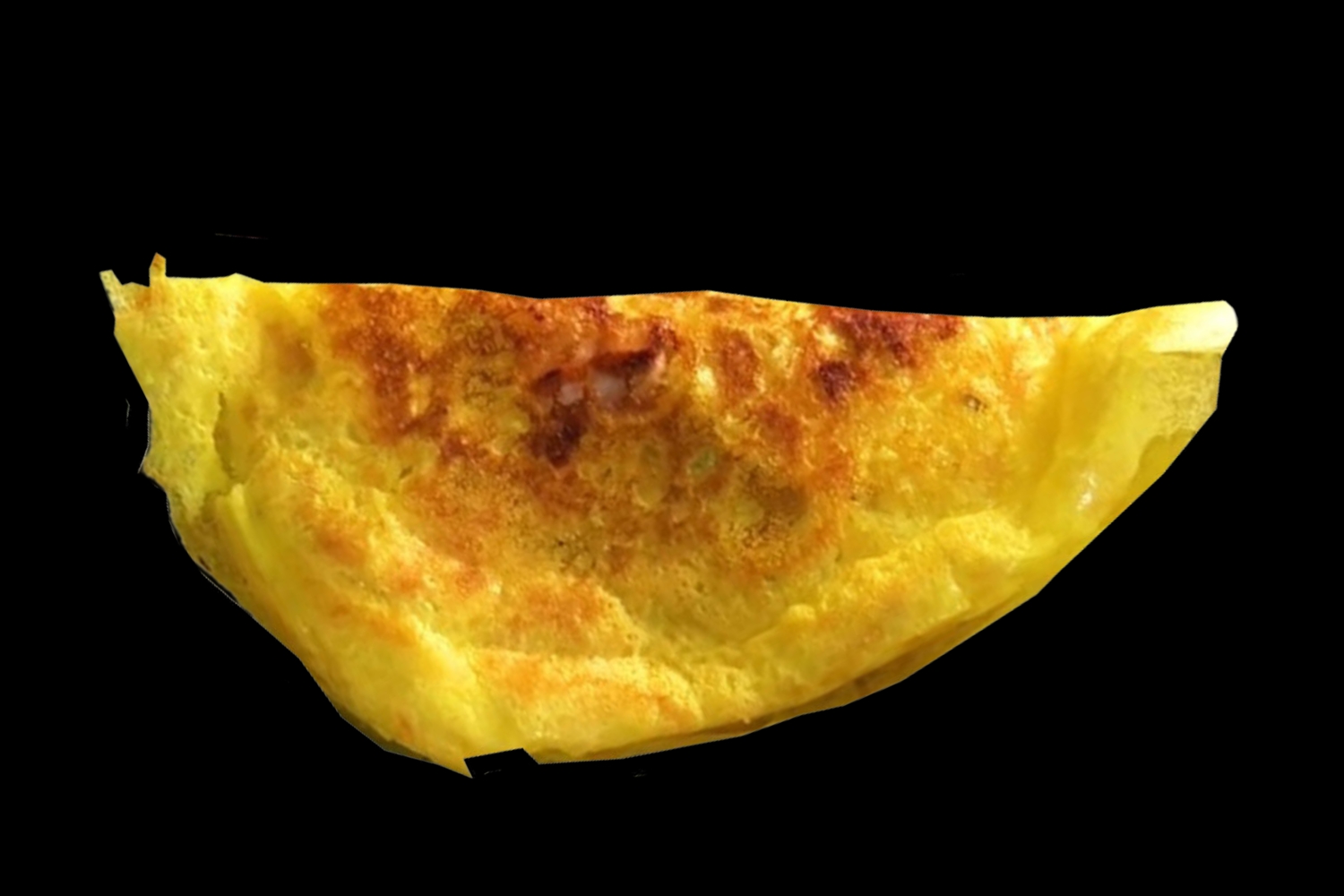
 Xeo cake
 Regional rustic delicacies such as Hanoi noodle soup (pho Hanoi), Saigon broken rice (com tam), Quang noodles of Danang city, Nghe An eel porridge and Thanh Hoa fermented pork rolls (nem chua), alongside mountain specialties like Tuyen Quang’s smoked buffalo meat and Lai Chau’s “armpit pig” (lon cap nach) serve as an endless source of inspiration, allowing dishes that originated in humble rural markets to reach the global stage. This journey showcases the richness and cultural value of Vietnamese cuisine, attracting diners from both home and abroad.
Vietnamese cuisine may not be elaborate in presentation, yet it is rich in cultural identity and profound in flavor. Each region boasts a signature dish that defines its unique character: the North offers refined delicacies like noodle soup, grilled pork with vermicelli noodles (bun cha) and young green rice (com) from Vòng Village; the Central region features bold, savory flavors with beef noodle soup of Hue city (bun bo Hue), Quang noodles of Danang city (mi Quang), beo cake and nam cake; while the South presents a more relaxed, diverse style with dishes such as noodle soup (hu tieu), clay-pot braised fish and sour soup with Linh fish (canh chua ca linh).
Vietnamese cuisine is unpretentious in presentation yet rich in character and depth of flavor. Each region boasts a dish that defines its unique cultural identity: the North is characterized by the refined elegance of noodle soup (pho), grilled pork with vermicelli noodles (bun cha) and young green rice flakes (com) from Vong Village; The Central region offers rich, distinctive flavors with dishes like beef noodle soup of Hue city (bun bo Hue), Quang noodles of Danang city (mi Quang), beo cake (banh beo) and nam cake (banh nam); meanwhile, the South boasts a more open, diverse culinary style featuring (hu tieu), clay-pot braised fish and sour soup with linh fish (sup ca linh)… These dishes are crafted through traditional know-how, skillful hands and the heartfelt dedication of the Vietnamese people where “deliciousness” stems not only from taste but also from emotion and memory.
Rustic cuisine embodies the spirit of the Vietnamese soul. A bowl of fish sauce holds the saltiness of the sea and the heat of chili, yet it also carries the rich, deep flavor of affection for one’s homeland. The lye-water dumpling (banh tro) reflects the skillful hands of women and the rural mindset regarding how one lives and treats others…
Traditional Vietnamese cuisine is the embodiment of the Vietnamese spirit. While society develops, traditional Vietnamese cuisine has not disappeared; on the contrary, it has strongly expanded its reach globally. Today, noodle soup (pho), bread, spring rolls and iced milk coffee have become symbols of Vietnam on the global culinary map. Small eateries in Hanoi capital, the Saigon brand has been franchised abroad, with overseas Vietnamese chefs bringing recipes from their homeland to the menus of European restaurants. In cities like Tokyo, New York, or Paris, diners still seek out the taste of fish sauce, the aroma of fried shallots and the sharp heat of fresh chili flavors that might seem “rustic” yet leave a lasting impression.
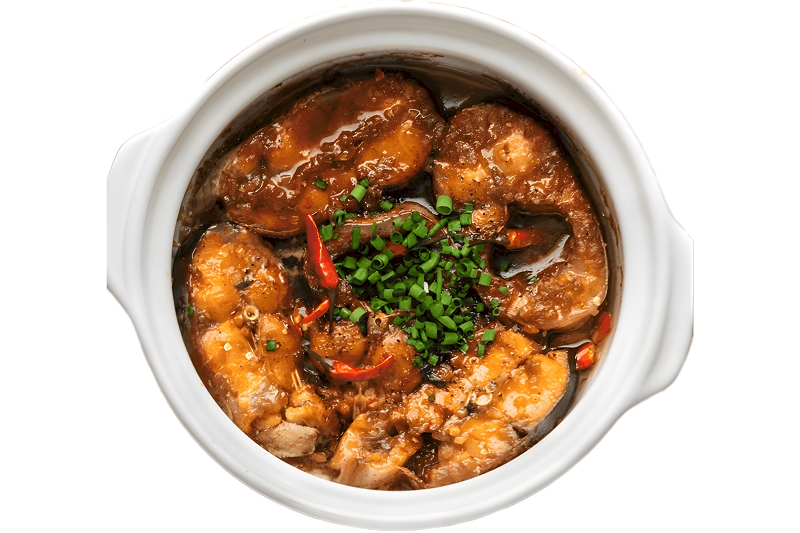 Clay-pot braised fish
It is no coincidence that Vietnamese dishes such as noodle soup (pho), grilled pork with vermicelli noodles (bun cha), bread, beef noodle soup of Hue city (bun bo Hue), fresh spring rolls (goi cuon) and xeo cake (banh xeo) have been repeatedly honored by UNESCO, CNN, Journal of Travel and Journal of Leisure and Journal of Lonely Planet Tourism. For within a steaming bowl of phở, a crusty bread or a humble packet of sticky rice wrapped in a banana leaf lies an entire philosophy of life: the harmony between humanity and nature and between simplicity and sophistication. Vietnamese cuisine does not overwhelm the palate with heavy, intense flavors; instead, it wins diners over with a delicate balance - sour, spicy, salty and sweet notes intertwining much like the Vietnamese way of life: harmonious, adaptable, yet profound.
However, for rustic cuisine to truly reach a wider audience, it must offer more than just great taste; it must preserve its authentic soul and cultural essence. Today, many young people are returning to traditional crafts, launching social media channels to share countryside dishes and teaching others how to cook rustic meals in English to introduce them to the world. Vietnamese food fairs abroad do more than just sell dishes; they spread culture - an intangible force with the power to bring people together. From rural markets to five-star restaurants, and from humble street-side stalls to the bustling avenues of New York, Europe, Africa, and Asia, the Vietnamese spirit travels far, carried by the very flavors of the cuisine.
From humble rural markets with their early-morning vendor baskets to the sophisticated menus of distant lands, Vietnamese cuisine has come a long way; yet, its flavors remain as authentic as ever simple yet profound, rustic yet exquisite. It is a journey of the grain of rice, of human hands and of the Vietnamese soul - a journey that brings Vietnamese culinary culture from the motherland to the wider world, ensuring that with every taste, one savors not only the delicious flavor but also the essence of the homeland./.
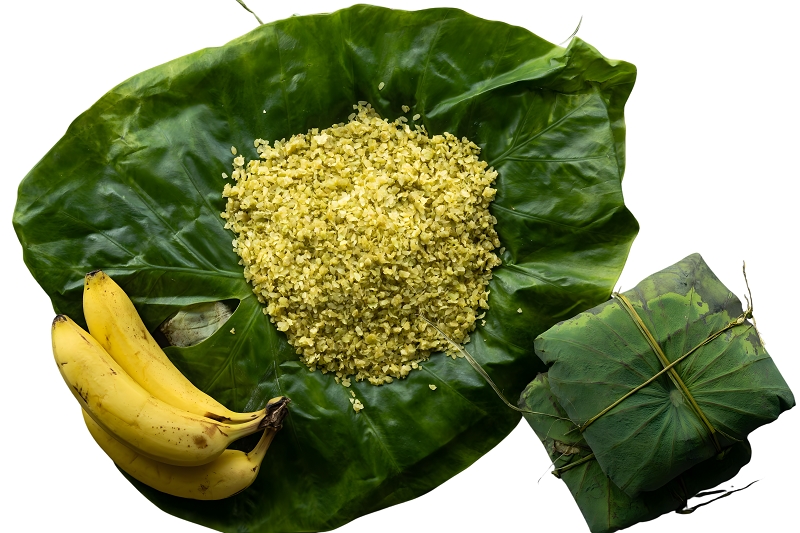 Vong village young green rice flakes