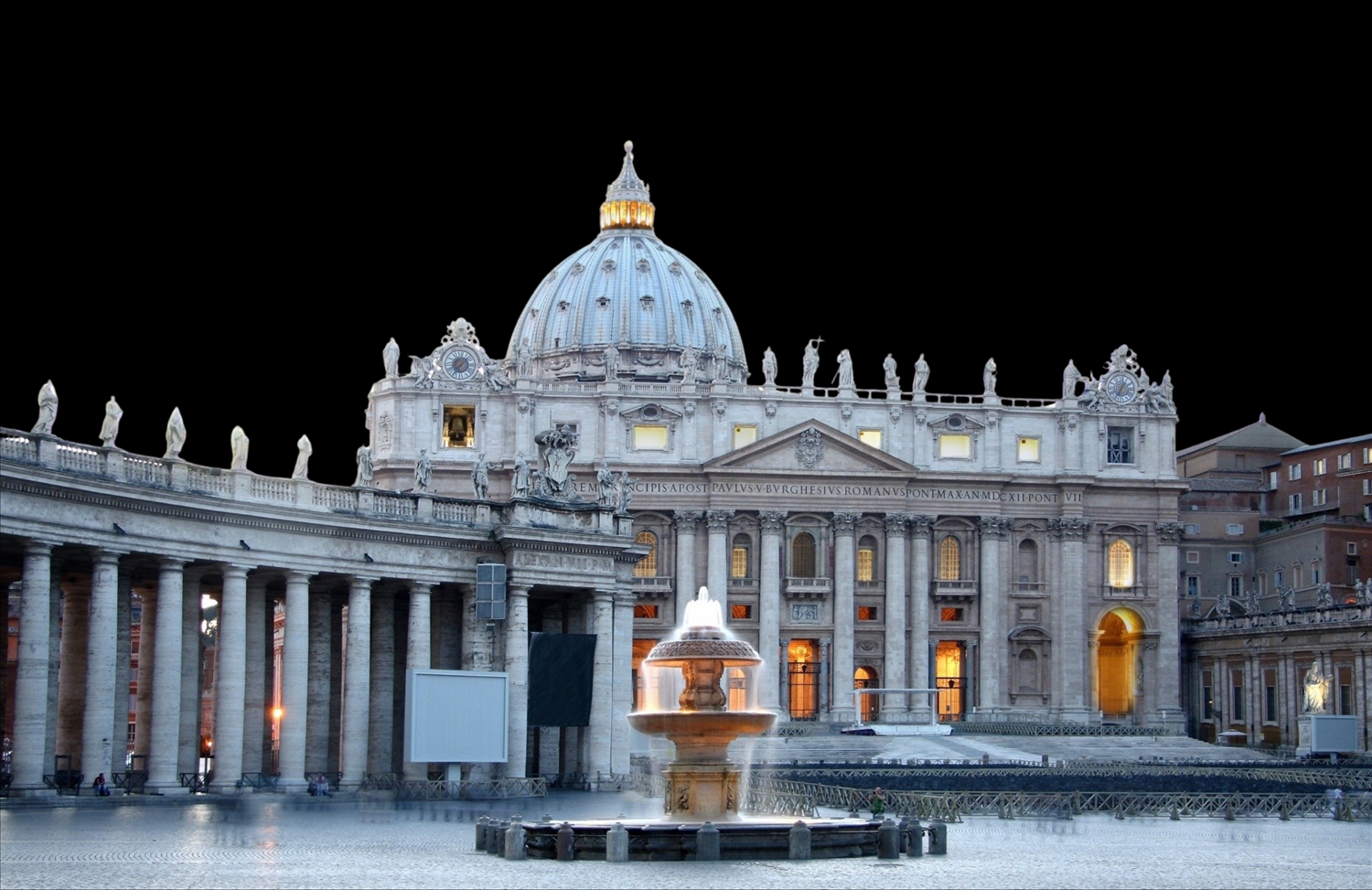
 (Illustrative image)
The Vatican is the smallest country in the world
Nestled within Italy and sharing a border just 2 miles (3.2 km) long, Vatican city State known in Italian as Stato della Città del Vaticano or simply the Vatican covers an area of 44 hectares. It operates under a monarchical political system headed by the Pope, who is Europe’s only absolute monarch, holding supreme legislative, executive and judicial authority.
St. Peter’s Basilica stands on an ancient cemetery
In ancient times, a Roman cemetery was located on Vatican Hill. When a massive fire devastated the city in 64 AD, Emperor Nero seized the opportunity to scapegoat the Christians, accusing them of starting the blaze. He had them executed by burning at the stake, tearing apart by wild beasts and crucifixion. Among them was Saint Peter, the leader of Jesus’ apostles and the first Bishop of Rome; his remains are believed to be buried on Vatican Hill.
The stone obelisk in the center of St. Peter’s Square was brought there by Emperor Caligula
During his reign, the Roman Emperor Caligula had a circus built in his mother's gardens at the foot of the Vatican Hill. He used the site to train charioteers, and it is believed that Christians were executed there. In order to adorn the arena, Caligula had his troops transport an obelisk from Egypt -originally erected in Heliopolis to the site.
For a period of about 60 years during the 19th century, the popes refused to leave the Vatican
When the Vatican was still a state within Italian territory known as the Papal States, the popes did not recognize its existence under Italian administration. Pope Pius IX (reigned 1846-1878) famously declared himself a “prisoner in the Vatican”. For sixty years, the Popes refused to leave the Vatican or recognize the authority of the Italian government. Even when Italian troops appeared in St. Peter’s Square, the Popes would not appear on the balcony and refused to bestow a blessing upon them.
Document recognizing the independence of Vatican City
The dispute between the Italian government and the Catholic Church in the Vatican ended in 1929 with the Lateran Pacts, which secured the Vatican's continued existence and independence, accompanied by a payment of $93 million compensation for the former Papal States. The Vatican used these funds as the foundation for its treasury. Mussolini, the head of the Italian government at the time, signed the treaty on behalf of King Victor Emmanuel III.
Popes did not live in the Vatican until the 14th century
Even though St. Peter's Basilica had been completed, the popes continued to reside primarily at the Lateran Palace in Rome. They even left the city en masse for Avignon, France, in 1309, after King Philip IV orchestrated the election of a French prelate as Pope. Seven popes, all of whom were French, led the Church from Avignon and did not return to Rome until 1377, when the Lateran Palace burned down and the Vatican began to serve as the papal residence.
Swiss soldiers were hired as the national military force
Upon arriving at the Vatican, visitors can easily spot the Swiss Guard. Clad in colorful Renaissance-style uniforms, they have been protecting the Pope since 1506; it was then that Pope Julius II, a prominent figure in Europe hired a Swiss force to ensure his safety.
The popes were taken out of the city via a secret passage
In 1277, the Passetto di Borgo was built to connect the Vatican with Castel Sant’Angelo on the banks of the Tiber River. It served as an escape route for popes.
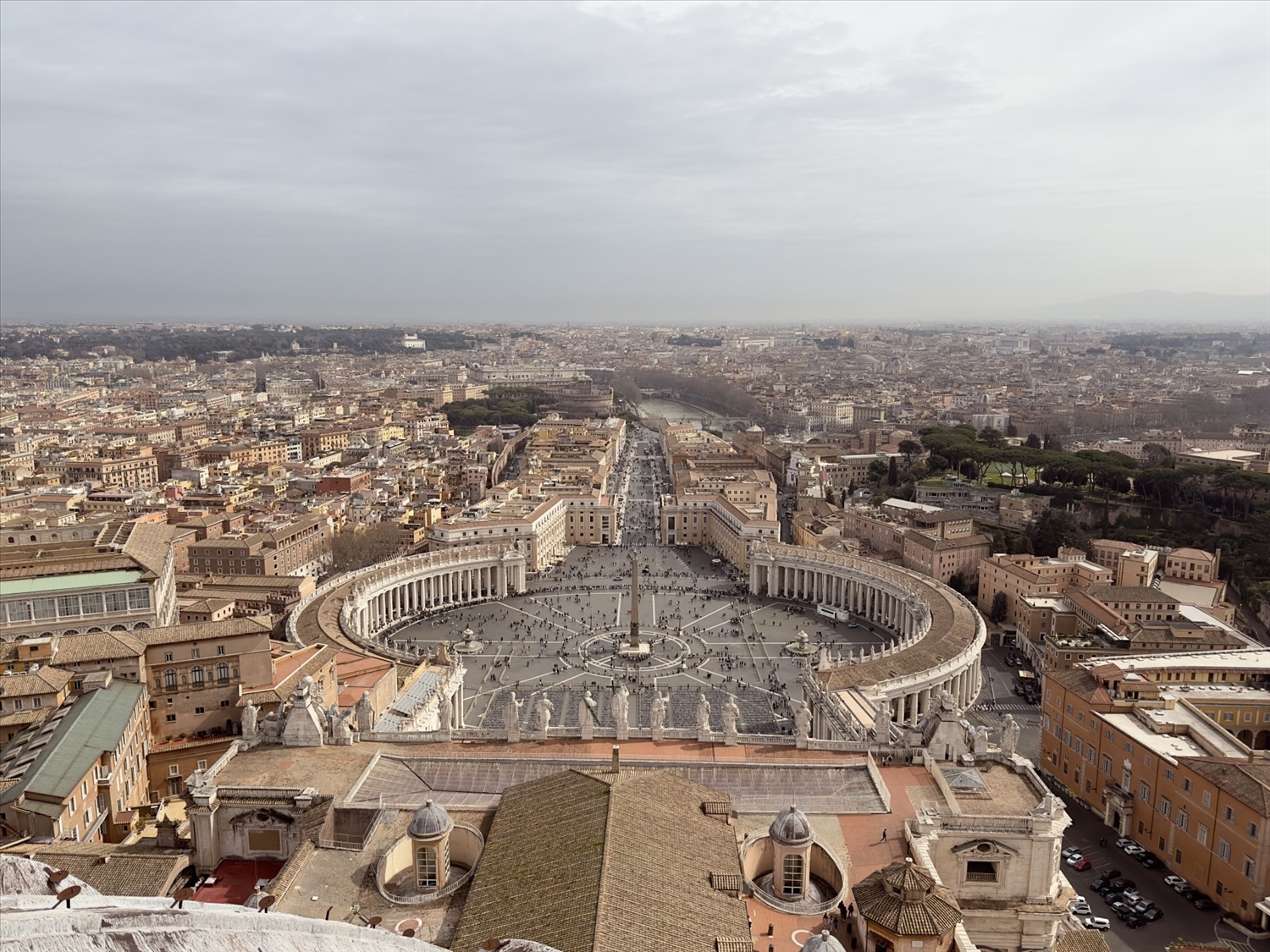 The Vatican and St. Peter’s Square viewed from above
The majority of Vatican citizens live abroad
Statistics show that the Vatican's population was 594 in 2011, while the latest figures from 2013 indicate a population of 839. Many Vatican citizens actually reside abroad. Aside from the Swiss Guard, numbering just over 100 members, the largest community in the Vatican consists of priests from around the world who come there to live and study.
Owning a telescope in Arizona (USA)
As Rome grew into a bustling metropolis, the city's light made it impossible for astronomers in this tiny nation, the smallest on the planet to clearly observe the constellations. The Vatican Observatory is located 15 miles from the city center at Castel Gandolfo./.
