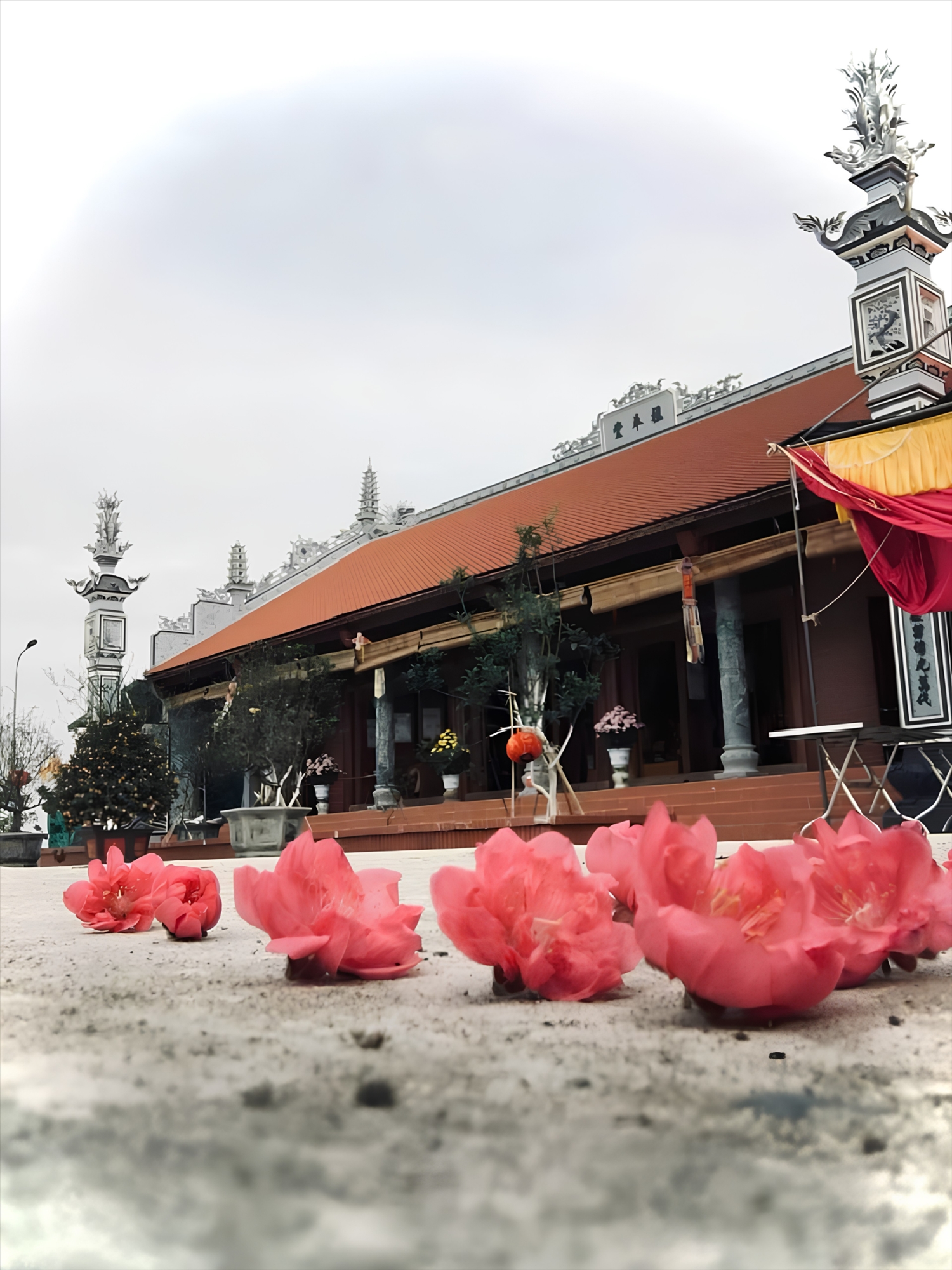
 Noi pagoda (Binh An pagoda)
Originally, Noi Pagoda was merely a small thatched hermitage dedicated to the Buddha, erected atop a high mound facing the Ninh Giang River to pray for favorable weather and national peace and prosperity. Over time, thanks to the devotion of local dignitaries and villagers, the humble hermitage was gradually replaced by a sturdy pagoda constructed of ironwood, featuring the traditional “Internal strength, external reach” architectural layout. The pagoda and the Noi village communal house form an inseparable heritage complex, serving as a cradle that nurtures the spiritual lives of generations of local residents.
In the memories of the elders, the ancient Noi pagoda had a strange, solemn beauty. These are dragon scale tiled roofs tinged with moss, ancient trees that provide shade to protect the pagoda grounds and a system of Buddha statues made of jackfruit wood, exquisitely carved by the hands of folk artists.
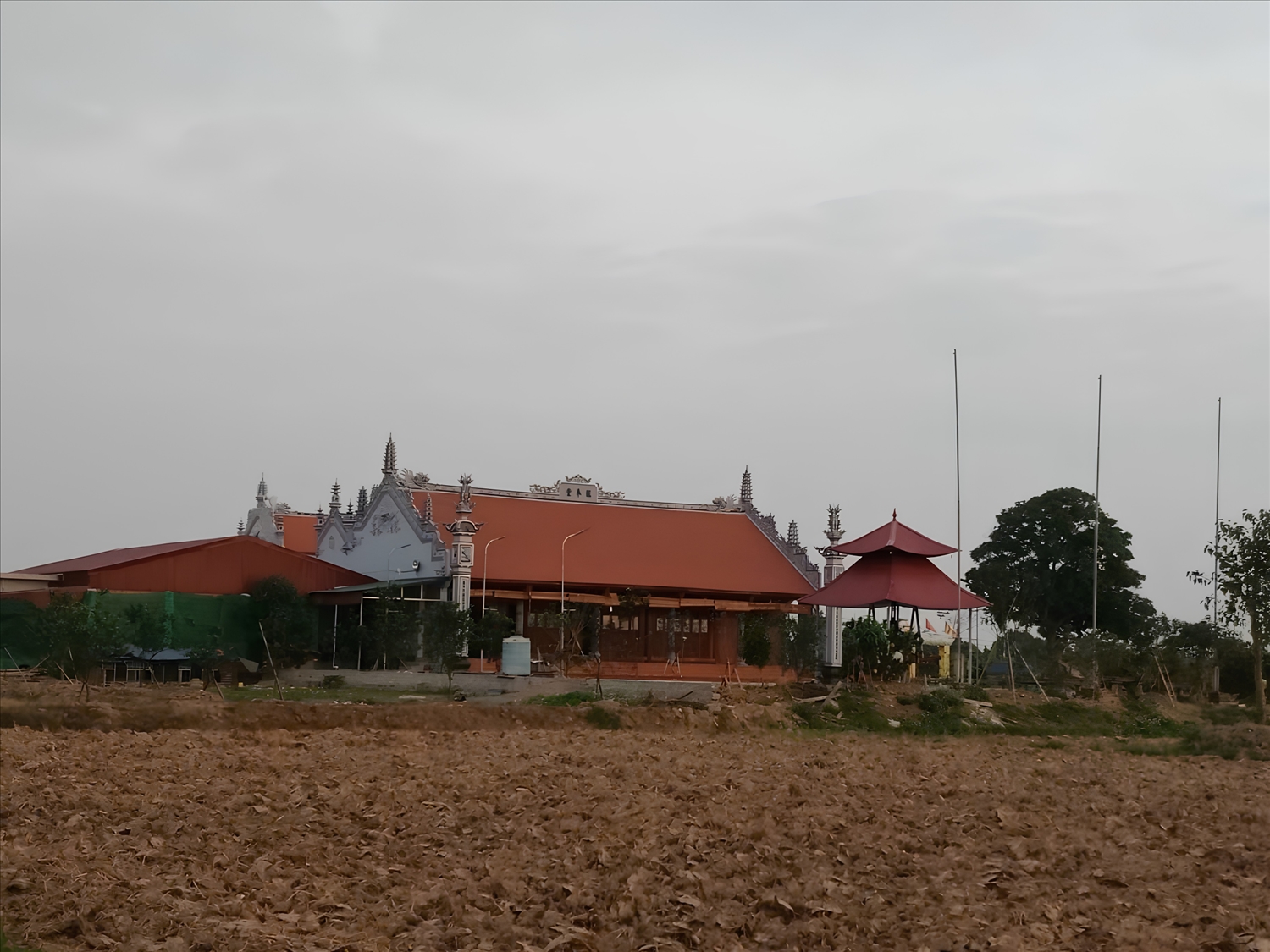 Noi pagoda today is no longer confined to the space of simple Full Moon and First Day ceremonies. This place has become a center for cultural activities and community moral education
During the resistance war against French colonial rule, thanks to its secluded location and the protection of the local people, Noi pagoda became a secret “red base” for local revolutionary forces. Beneath its moss-covered tiled roofs, numerous crucial meetings involving underground cadres were held in safety. The temple bell, which traditionally signaled the time for meditation, took on a new role as a signal to warn of any enemy movements.
During the fierce resistance war against US imperialism, when the land of Binh Luc was subjected to repeated bombing raids, the pagoda once again served as a secret depot for ammunition and provisions destined for the front lines. The pagoda’s spacious courtyard, shaded by ancient trees, became a gathering point for troops and a witness to deeply moving farewells, as hundreds of the finest sons of Noi village eagerly set off to join the army in response to the call of the motherland. Many historical relics and moving stories about the sacrifices made and the mutual support shared between the Buddhist pagoda and the army are still recounted today like a proud, heroic epic.
The war inflicted severe damage upon Noi pagoda: shrapnel embedded in the rows of wooden columns, the roof was dislodged, and numerous ancient statues made of clay and wood suffered serious harm. Furthermore, due to the unpredictable weather, many structural elements fell prey to termite infestation. Witnessing this ancient sanctuary gradually deteriorate over time, the local people harbor a deep, abiding longing for the day of its restoration. Guided by the motto “The State and the People working together” and closely integrating efforts to mobilize community resources, news of the restoration of Noi pagoda has spread far and wide. It has resonated not only with local residents but also with natives of the village who have built their lives elsewhere across the country or even abroad, all turning their hearts back to their roots. People have contributed their labor and financial support, with many wholeheartedly donating individual bricks, timber,…
Construction of the Model House officially began in March 2021. Just a few months later, in November 2021, the groundbreaking ceremony for the Guanyin Pavilion took place. Despite facing numerous challenges and interruptions caused by the pandemic and economic fluctuations, the project proceeded according to plan, driven by unwavering perseverance and steadfast devotion to the Buddha.
In May 2023, a grand inauguration ceremony took place, graced by the presence of Most Venerable monks and Senior Venerable monks representing the Vietnam Buddhist Sangha, alongside numerous local government officials and thousands of Buddhists. With a total cost of over 3.2 billion VND funded entirely through socialized contributions, various structures, ranging from the Guanyin Pavilion, the Mother Goddess Shrine and the Triple Gate complex to the guest house and gardens, have been beautifully completed.
Viewed from afar, the pagoda appears as a boundary separating the bustle of the mundane world from the serene atmosphere within. Upon entering, an open, airy space unfolds before the eyes, with the Guanyin Pavilion serving as a striking focal point. The pavilion is designed in the style of a traditional viewing pavilion and is situated in the middle of a small, clear-blue pond. It is encircled by a balustrade made of solid blue stone, intricately and meticulously carved by artisans with exquisite lotus flower motifs. The majestic white stone statue of Bodhisattva Avalokiteshvara stands at the center of the pavilion, her benevolent eyes gazing downward as if protecting, bestowing joy upon, and delivering sentient beings from suffering.
Adjacent stands the newly completed Mother Goddess Shrine. The structure features traditional architecture, characterized by brick walls and sweeping, upturned eaves roofed with bright red, scallop-shaped tiles. Inside, the altars are arranged with solemnity and adorned with magnificent red lacquer and gold leaf, vividly reflecting the worship of the Mother Goddesses of the Three Realms, an Intangible Cultural Heritage of Humanity deeply intertwined with the spiritual life of the Vietnamese people. Today, Noi pagoda is no longer confined to the simple observance of rituals on the full moon and the first day of the lunar month; it has evolved into a hub for cultural activities and community moral education. During major annual events such as the Buddha's Birthday celebration, the Vu Lan festival (honoring parents and ancestors), and traditional village festivals, the pagoda attracts tens of thousands of visitors from near and far. Dharma talks on filial piety and patriotism held at the pagoda have played a significant role in shaping a wholesome, virtuous lifestyle for Buddhists and local residents./.
