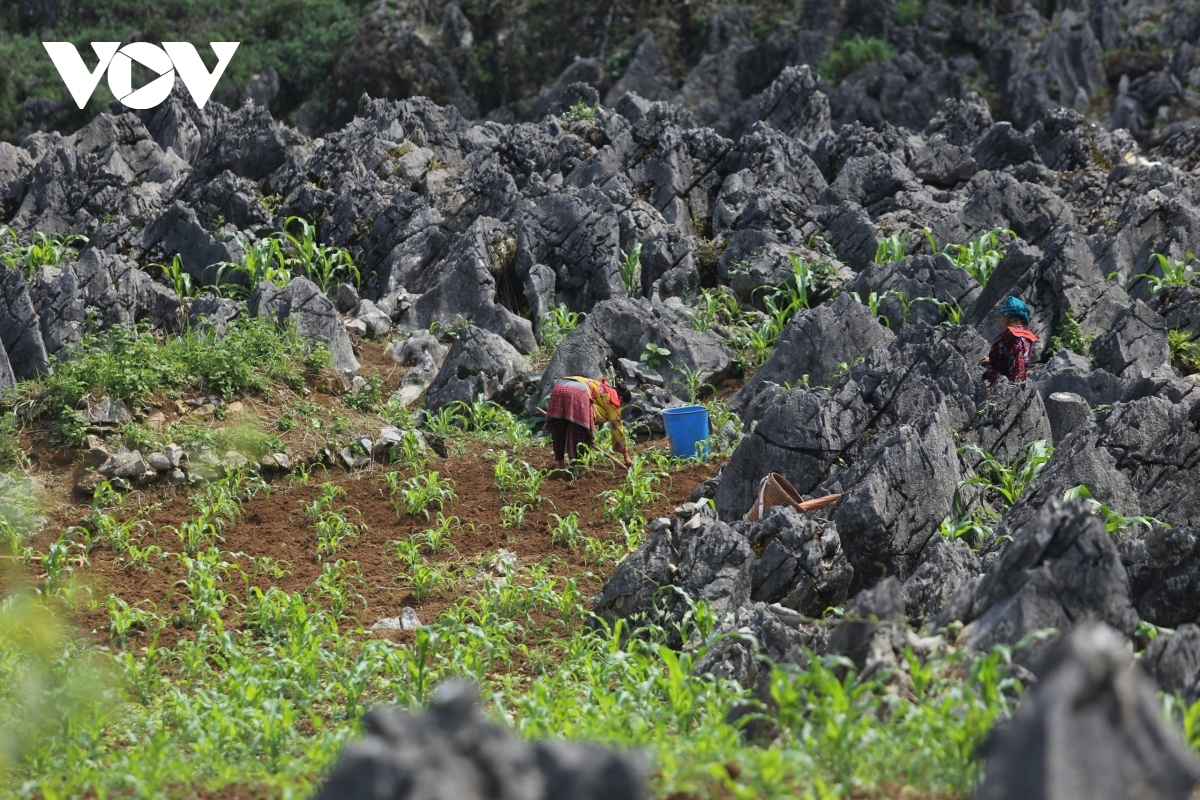
 The Mong people have accumulated a rich body of local knowledge regarding climate, cultivation, water sources, forest protection and weather forecasting in order to adapt to harsh natural conditions
Keywords: Folk knowledge; The Mong people; Adapting to climate change; Northern mountainous region.
1. Introduction
Climate change is emerging as a global challenge, with increasingly evident impacts on the mountainous northern region of Vietnam, an area characterized by complex terrain, fragile ecosystems and livelihoods heavily dependent on nature. For the Mong people, a community residing primarily in highland and mountainous areas, harsh climatic conditions and various natural disasters such as droughts, severe cold spells, flash floods and landslides are directly affecting their daily lives and agricultural production. In this context, folk knowledge accumulated over generations has become a natural adaptation mechanism, reflecting the capacity to recognize, predict and respond to environmental fluctuations.
The traditional knowledge of the Mong people is manifested across various domains, such as weather observation, crop variety selection, upland farming techniques, land and water management, and the organization of living spaces adapted to natural conditions. This knowledge holds not only cultural value but also practical significance for mitigating risks and sustaining livelihoods.
However, due to modernization, social transformation, and the introduction of new development models, much traditional knowledge is at risk of fading away as intergenerational transmission ceases. This creates an urgent need to research, systematize and integrate traditional knowledge into climate change adaptation strategies, thereby leveraging community strengths and fostering sustainable development in the northern mountainous region.
2. Research results
2.1. The role of Mong folk knowledge in climate change adaptation in theNorthern mountainous region
Amidst increasingly complex climate change, the traditional knowledge of the Mong people in the northern mountainous regions is playing a crucial role in ecological adaptation and the maintenance of sustainable livelihoods. With a long history of settlement in mountainous provinces such as Tuyen Quang, Lao Cai, Son La, Dien Bien and Lai Chau, the Mong people have accumulated a rich body of local knowledge regarding climate, cultivation, water sources, forest protection and weather forecasting to adapt to harsh natural conditions. This is considered the result of the community’s long-standing process of observing nature and interacting with the environment over generations.
In practice, the traditional knowledge of the Mong people plays a significant role in weather forecasting and the identification of signs of natural disasters. The Mong often rely on changes in cloud formations, wind direction, insect sounds, plant flowering cycles or animal movements to predict heavy rains, severe cold spells, or droughts. In many highland provinces such as Tuyen Quang and Lao Cai, the Mong people draw upon their experience observing phenomena such as clouds swirling around mountains, stream water color and fog density to forecast flash floods and landslides ahead of the rainy season. This knowledge enables the community to proactively plan agricultural activities and more effectively mitigate the impact of natural disasters.
In agricultural production, the Mong people have developed various farming methods adapted to the climate of high-mountain regions. The terraced field systems found in provinces such as Lao Cai, Tuyen Quang and Dien Bien represent not only a distinctive cultural achievement but also an effective solution for preventing soil erosion and regulating water resources amidst erratic, heavy rainfall. Furthermore, the Mong people possess expertise in selecting varieties of maize, upland rice and medicinal plants suited to specific altitudes, soil conditions, and fluctuating weather patterns. In the Dong Van Karst Plateau (Tuyen Quang Province), many Mong communities continue to practice cultivation in rock crevices, a technique that allows them to utilize natural moisture and adapt to prolonged dry conditions.
Furthermore, the traditional knowledge of the Mong people is clearly reflected in the management and protection of forest resources and water sources. Many communities maintain regulations to protect headwater forests, prohibit the felling of trees in sacred forests and preserve forest areas associated with community beliefs. This is a traditional mechanism that helps maintain ecological balance, mitigate soil erosion and protect domestic water sources amidst current climate change. Researchs on local knowledge in the Northern mountainous region indicate that traditional community institutions play a vital role in climate adaptation and sustainable resource management.
In particular, the traditional knowledge of the Mong people contributes to the sustainability of community livelihoods. Practices such as combining livestock rearing with upland farming, stockpiling food, utilizing local medicinal plants and constructing rammed-earth houses adapted to the cold highland climate demonstrate the community’s flexible adaptability to extreme weather fluctuations. Many traditional Mong rammed-earth houses in Tuyen Quang province are capable of retaining heat in winter and keeping cool in summer, making them well-suited to high-mountain weather conditions.
However, much of the Mong people’s traditional knowledge is currently at risk of fading away due to the impacts of modernization, environmental changes, and shifts in community livelihoods. Migration, changes in farming practices and the influence of the market economy have diminished the role of various forms of local knowledge in community life.
Therefore, the indigenous knowledge of the Mong people not only reflects their ability to flexibly adapt to the natural environment but also serves as a vital resource for addressing climate change in the northern mountainous region today. Preserving, studying and promoting this knowledge system is of particular importance to strategies for sustainable development and ecological protection in the highlands amidst global climate change.
2.2. The current situation of Mong traditional knowledge regarding climate change adaptation in the Northern mountainous region
Amid the increasingly evident impacts of climate change, the traditional knowledge of the Mong people in the Northern mountainous regions continues to play a vital role in environmental adaptation and the maintenance of community livelihoods. However, driven by modernization, ecological shifts and changes in traditional social structures, this folk knowledge system faces both opportunities for preservation and a significant risk of being lost.
According to numerous researchs on climate change in the Northern mountainous region, this area is severely affected by extreme weather events such as intense cold spells, flash floods, landslides and prolonged droughts. Against this backdrop, Hmong communities in provinces such as Tuyen Quang, Lao Cai, Son La, Lai Chau and Dien Bien continue to preserve unique forms of traditional knowledge used to forecast the weather, safeguard agricultural production and adapt to harsh natural conditions.
Practice shows that the Mong people have a rich system of folk experience in recognizing climate change and predicting natural disasters. People often observe the color of clouds, wind direction, the sound of wild birds, the movement of insects or the flowering cycle of forest trees to predict heavy rain, cold or drought. In many localities across Tuyen Quang and Lao Cai provinces, the Mong people still rely on traditional observations such as “clouds blanketing the mountain slopes”, stream water turbidity or fog density to predict the risk of flash floods and landslides ahead of the rainy season. This folk knowledge helps the community proactively plan their cropping cycles and mitigate disaster risks.
In the realm of agriculture, the Mong people continue to employ various production methods adapted to climate change. The terraced field systems in provinces such as Lao Cai and Tuyen Quang serve not only as cultural heritage but also as effective solutions for preventing soil erosion, retaining water, and regulating runoff during periods of extreme rainfall. Many Mong households on the Dong Van Karst Plateau (Tuyen Quang Province) still utilize techniques such as planting crops in rock crevices, applying grass mulch to retain moisture, and cultivating drought-resistant local maize varieties to cope with prolonged water scarcity.
Furthermore, the traditional knowledge of the Mong people is also evident in their management of forest and water resources. Many communities maintain customs of protecting headwater forests and sacred groves, as well as adhering to conventions against felling trees near domestic water sources. This traditional community-based management mechanism plays a vital role in ecosystem conservation and the mitigation of landslide risks in high-mountain areas. Research indicates that integrating local knowledge with modern science has yielded positive results in resource management and climate adaptation across the Northern mountainous region.
Furthermore, the rammed-earth house architecture of the Mong people is still considered a housing model well-suited to the highland climate. Thick earthen walls help retain heat in winter and provide insulation against the heat in summer, making them ideal for the region’s high-altitude environment, which is characterized by significant temperature fluctuations. Many Mong families continue to maintain the practice of stockpiling food and drying corn, medicinal herbs and animal feed to cope with prolonged spells of severe cold and unpredictable natural disasters.
However, the current situation reveals that much of the traditional knowledge held by the Mong people in the northern mountainous regions is gradually fading away. Processes such as urbanization, labor migration, shifting livelihoods and the impact of modern science and technology have diminished the role of traditional knowledge in community life. Many young people show little interest in their ancestors’ weather-forecasting insights, traditional farming techniques or customary laws regarding forest conservation.
Furthermore, erratic climate change has rendered some traditional folk practices less than perfectly accurate. This necessitates a harmonious blend of folk knowledge and modern science and technology to enhance the Mong community’s resilience against escalating climate-related risks.
Overall, the traditional knowledge of the Mong people remains a vital cultural and ecological resource for adapting to climate change in the Northern mountainous region. However, to harness this effectively and sustainably, it is essential to implement solutions for preserving and transmitting this knowledge, as well as integrating it with modern science, within current sustainable development strategies for ethnic minority and mountainous areas.
2.3. Orientations and solutions
As climate change increasingly impacts the Northern mountainous region, the leveraging of the Mong people’s traditional knowledge requires an integrated approach that harmoniously combines local wisdom with modern science to enhance adaptive capacity and foster sustainable development.
* About the strategic direction:
Firstly, it must be affirmed that the indigenous knowledge of the Mong people constitutes a vital endogenous resource for responding to climate change. Such ethnic knowledge is regarded not merely as a traditional cultural asset but also as a system of practical experience capable of supporting resource management, disaster risk reduction and livelihood maintenance. At the same time, the Mong community must be placed at the heart of the process of preserving and applying this knowledge, ensuring adherence to the principles of community-based development and respect for the unique cultural characteristics of highland and mountainous regions.
* About solutions:
Firstly, it is necessary to step up efforts to collect, document and digitize traditional knowledge related to weather forecasting, agricultural cultivation, and the management of forests and water resources. Establishing a scientific database will contribute to preserving this knowledge and passing it on to future generations.
Secondly, it is necessary to integrate indigenous knowledge with modern science when developing climate change adaptation programs. Sustainable agricultural production models need to combine traditional ethnic knowledge with technical advancements to enhance efficiency and suitability for local conditions.
Thirdly, it is essential to strengthen the education and transmission of traditional knowledge within the community particularly to the younger generation through schools, cultural activities and community gatherings. This is a crucial measure for maintaining the continuity of local knowledge.
Fourthly, it is necessary to refine policies and mechanisms to support the Mong community, creating conditions for them to participate in resource management, environmental protection, and sustainable livelihood development.
Fifthly, it is necessary to raise public awareness regarding the value of folk knowledge, recognizing it as a crucial component of current climate change adaptation strategies in the Northern mountainous region.
3. Discussion
The folk knowledge of the Mong people regarding climate change adaptation should be viewed not merely as traditional experience, but as a practical knowledge system of profound scientific and social value. From a theoretical perspective, this indigenous knowledge reflects a long-term process of accumulation resulting from the interaction between humans and the mountainous natural environment, thereby shaping flexible adaptation mechanisms in response to climatic and ecological fluctuations.
A key issue concerns the relationship between local knowledge and modern science. In many instances, the traditional knowledge of the Mong people demonstrates a high degree of suitability for local conditions particularly regarding weather forecasting, resource management and production organization. However, given the rapid pace of current climate change, traditional knowledge struggles to remain effective if divorced from scientific and technological advancements. Therefore, an approach based on complementarity and integration between these two knowledge systems is required, rather than viewing them as opposing forces.
Furthermore, discussions highlight the central role of the Mong community in the preservation and application of traditional knowledge. When the community is empowered to participate in development and climate change adaptation programs, local knowledge is not only preserved but also serves as a driving force to unlock internal strengths and enhance self-reliance.
In the current context, the folk knowledge of the Mong people should be regarded as a vital resource for the sustainable development of the Northern mountainous region, helping to link cultural preservation and environmental protection with the enhancement of community resilience in the face of climate change challenges.
4. Conclusion
The traditional knowledge of the Mong people is the result of long-term experience accumulated within the environment of the Northern mountainous region, reflecting the community’s flexible adaptability to natural and climatic fluctuations. Research indicates that their knowledge regarding weather forecasting, agricultural cultivation, resource management, and the organization of daily life holds not only cultural value but also practical significance for risk mitigation and the maintenance of sustainable livelihoods. However, due to the impacts of climate change and modernization, much traditional knowledge is at risk of being lost. Therefore, it is essential to preserve and document this knowledge and integrate it with modern science into climate change adaptation strategies. This approach not only safeguards culture but also contributes to enhancing resilience and fostering sustainable development in the Northern mountainous region.
* Vice President of the Vietnam Association for Support of Mountainous Area Economy
** Journal of Ethnic and Religious Research
References
1. Nguyen Duy Dung (2026), Applying science and technology to enhance the value of local knowledge in ethnic minority and mountainous areas, Journal of Ethnic and Religious Research, No. 1+2 (6).
2. Pham Quang Hoan (2005), Local Knowledge (Traditional knowledge) of Vietnam’s ethnic minorities in contemporary social life, Ethnology Report, Social Sciences Publishing House, Hanoi.
3. Pham Hong Hai (2025), Developing climate-resilient, sustainable livelihoods for ethnic minority households (a case research of the K’ho people in Lam Dong Province), https://lyluanchinhtri.vn/phat-trien-sinh-ke-ben-vung-thich-ung-voi-bien-doi-khi-hau-cua-ho-gia-dinh-dong-bao-dan-toc-thieu-so-nghien-cuu-truong-hop-nguoi-co-ho-tai-tinh-lam-dong-6798.html
4. Nguyen Thi Huyen (2023), The Mong People in Son La and Their Distinctive Traditional Cultural Values, https://ncvh.utb. edu.vn/index.php/trao-doi-nghien-cuu/nghien-cuu/280-nguoi-mong-o-son-la-va-cac-gia-tri-van-hoa-truyen thong-dac-trung
5. John Ambler (1996), “Experiences in upland development research: An overview from Asia”, paper presented at the scientific conference on “Rational Use of Natural Resources and Environmental Protection in the Binh-Tri-Thien Region”, Hue, March 25th -29th, 1996.
6. Duong Quynh Phuong (2014), Impacts of climate change in the mountainous highlands of Northern Vietnam: Current situation and response solutions based on leveraging the local knowledge of ethnic minorities, Journal of Southeast Asian Research, No. 8.
7. Prime Minister (2022), Decision No. 896/QD-TTg dated July 26th, 2022, of the Prime Minister: Approving the National Strategy on Climate Change for the period up to 2050, Hanoi.
8. Hoang Xuan Ty, Le Trong Cuc (1998), Local knowledge of Highland communities in agriculture and natural resource management, Agricultural Publishing House, Hanoi.
