 Digital transformation is turning the existing assets of villages in Lang Son province into new livelihood opportunities, thanks to smartphones
In 2019, noticing the growing number of visitors to the Huu Lien Nature Reserve, Mr. Hoang Van Chinh’s family renovated their traditional stilt house and invested in additional guest rooms, bathrooms and landscaping to develop community-based tourism.
Mr. Chinh’s Yen Nhi Homestay currently features four guest rooms and a communal room, generating an average monthly income of approximately 60 million VND. This success stems from his practice of using his phone to capture images of the traditional stilt house, the natural scenery and unique experiences such as trekking, exploring grasslands and enjoying local cuisine and then sharing them on social media and online travel platforms. This approach has enabled his homestay to reach a wide range of domestic and international guests.
From a purely agricultural household, Mr. Chinh’s family has gained a new livelihood while also creating jobs for five or six local residents, roles such as housekeeping, cooking and guiding, thereby generating additional income. Furthermore, to meet tourist demand, local residents supply poultry, allowing the homestay to become a vital link in the community’s livelihood chain.
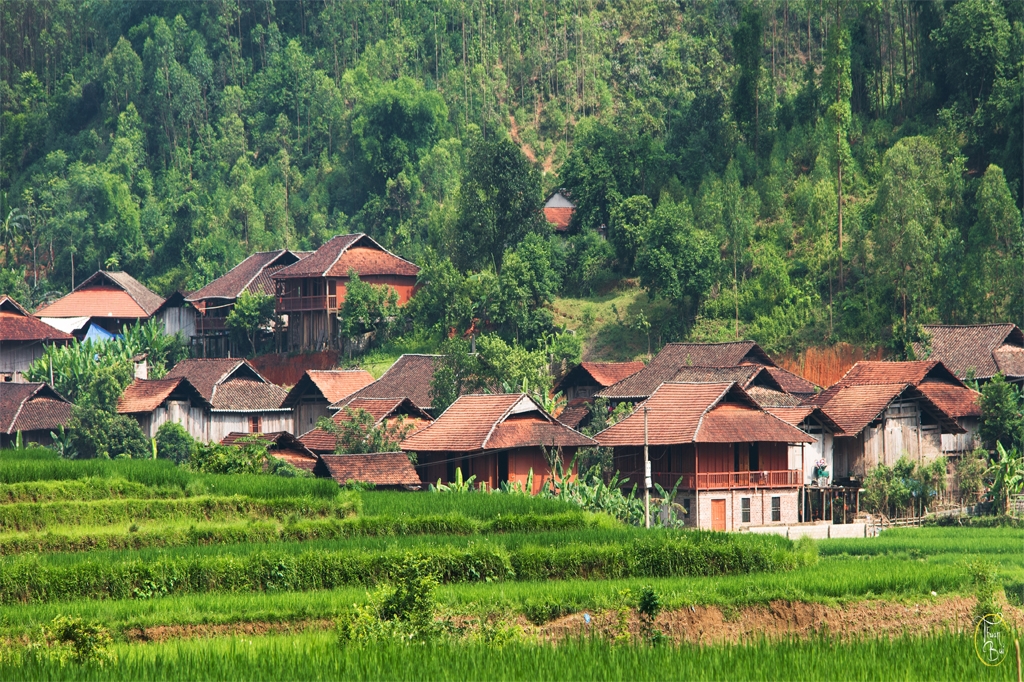 Huu Lien Community-based Tourism village, Lang Son province
According to the authorities of Huu Lien commune, the area boasts 36 homestays and welcomes over 100,000 visitors annually, generating an estimated total revenue of 120 billion VND per year. Tourism is gradually establishing its role within the local economy. However, for a village nestled amidst the mountains and forests to catch the eye of travelers, scenic beauty alone is not enough. In the digital age, tourists typically search for information, view images, read reviews, check prices and book accommodations online before setting out on their journeys.
For highland destinations where geographical distance was once a major obstacle, digital transformation can bridge, or even erase that gap using nothing more than a smartphone. A photo of the ripening rice harvest, a video of a village meal, an introduction to a stilt house or a personal account of a trekking experience, any of these can serve as a direct invitation to travelers. This is the power of digital transformation in fostering tourism development.
Technology helps make the village’s unique identity visible, shareable, and marketable. Residents do not need to spend money on advertising; simply by having a social media account and the skills to take photos, shoot videos, communicate with guests, and manage bookings, they can launch a business. Without a digital presence, a homestay, even one featuring a beautiful stilt house, delicious cuisine, and stunning scenery, struggles to reach travelers. Conversely, by leveraging technology, local communities can proactively showcase their offerings, connect with customers, gather feedback and gradually professionalize their services.
Recognizing the significant role of digital transformation in the socio-economic development of ethnic minority and mountainous areas, Lang Son province has utilized resources from Sub-project 2: “Application of Information Technology” under National Target Program 1719 to drive digital transformation at the grassroots level. According to a report by the Department of Ethnic and Religious Affairs, 100% of the communes classified as “Region III” in the province have established information technology systems, including computers for Internet access and digital transformation applications. The province has implemented four projects to support digital transformation, including three projects serving the National Target Program 1719, establishing support points at commune People's Committees to assist ethnic minority communities in applying information technology and support the development and maintenance of online marketplaces for products from ethnic minority and mountainous areas.
The province has implemented four projects to support digital transformation, including three projects serving the National Target Program 1719: establishing IT support points for ethnic minority communities at commune People’s Committees, and supporting the creation and maintenance of online marketplaces for products from ethnic minority and mountainous areas.
When these efforts are viewed alongside the story of Huu Lien, the value of investing in digital transformation in disadvantaged areas becomes even clearer. Technology equips local communities with tools to effectively leverage the assets they already possess. In reality, communes facing significant hardship often hold great potential for community-based tourism, as they retain an unspoiled, authentic character, qualities that travelers constantly seek out and are willing to pay a premium to experience.
The gap between a mobile phone and a tourism-based livelihood may seem vast, yet in reality, it is remarkably narrow. With investments in infrastructure and access to technology along with the know-how to utilize it for business, digital transformation becomes a powerful tool for local communities to alleviate poverty, create jobs and expand livelihood opportunities right in their own hometowns./.
