Ms. Tran Thi Minh Nga, Deputy Head of the Government’s Religious Affairs Committee:
The custom of burning votive paper originates from the intermingling of folk beliefs and the introduction of Mahayana Buddhism, reflecting the mentality of “better safe than sorry” and people’s anxieties about the spiritual world. However, when this custom becomes excessive, burning large quantities of votive paper money beyond the realm of beautiful religious beliefs, it becomes an economic burden and even an expression of superstition.
The burning of votive paper at temples is a complex cultural phenomenon that requires regulation from both the Vietnam Buddhist Association and state management agencies. The Church needs to issue regulations prohibiting or restricting the burning of votive paper within temple grounds, transform rituals into more civilized and environmentally friendly forms. From the government’s perspective, there needs to be stronger propaganda and to clearly distinguish between traditional culture and superstitious, wasteful behavior.
Venerable Thich Bao Nghiem, Vice Chairman of the Central Executive Council of the Vietnam Buddhist Association:
Buddhist teachings emphasize compassion, enlightenment and the accumulation of merit through virtuous actions in this life. “Buddhism teaches us about the law of cause and effect, that merit is created from giving alms, making offerings in the right way and helping others, not from material things that perish after being burned”. The burning of votive paper is a folk custom, influenced by ancestor worship, that has been incorporated into temples and to be not found in the original Buddhist scriptures.
The overuse of votive paper offerings can lead to superstition and distort the true meaning of the offering. Instead of buying votive paper money, monks, nuns, and Buddhist followers should guide people to use that money for charitable work, social welfare activities, or to donate food and medicine to the needy, so that blessings are truly generated and genuinely dedicated to their ancestors.
Dr. Bui Huu Duoc, former Director of the Buddhist Affairs Department, Government’s Religious Affairs Committee:
Burning votive paper, a custom that has been analyzed by many researchers of spiritual and cultural studies for its dual nature, to be not a recent phenomenon but has existed for a very long time. Today, from economic, environmental and health perspectives, we can clearly see the harmful effects of burning votive paper. This involves burning large quantities of paper, bamboo, wood, etc., which could be used as raw materials for industries, in the context of over-exploitation of forests. Paper offerings, made from paper, dyes and chemicals, when releasing harmful substances into the environment such as PM2.5 fine dust, carbon monoxide (CO) and sulfur dioxide (SO2) when burned. If burning large quantities of this material not only pollutes the surrounding air but also produces smoke carrying long-lasting toxic residues in the air, increasing the risk of respiratory and cardiovascular diseases for those who burn it regularly and for residents in areas where large amounts of votive paper is burned.
In the context of climate change and increasing environmental pollution, religious establishments involved in the production of votive paper offerings need to take the lead in raising awareness, promoting responsibility, protecting the environment and practicing “clean religious practices”. Choosing alternative rituals to replace paper offerings. If it is necessary to burn votive paper as a spiritual ritual to preserve cultural traditions, only a small, symbolic amount should be burned in designated areas with exhaust gas treatment systems. In order to ffectively reduce the burning of votive paper is the responsibility of many related sectors, but most importantly, the Vietnam Buddhist Association must influence Buddhist followers and society.
From the opinions above, it can be seen that the burning of votive paper at temples is a multifaceted issue, involving culture, economics, the environment, and religious doctrine. The overall goal is to strive for a civilized, economical and environmentally friendly spiritual life, in line with the engaged and compassionate spirit of Buddhism. The call for a more civilized way of believing from experts serves as a strong reminder: A Buddhist’s journey towards goodness should be demonstrated through acts of service to all beings, not through the wasteful smoke of paper money and gold.
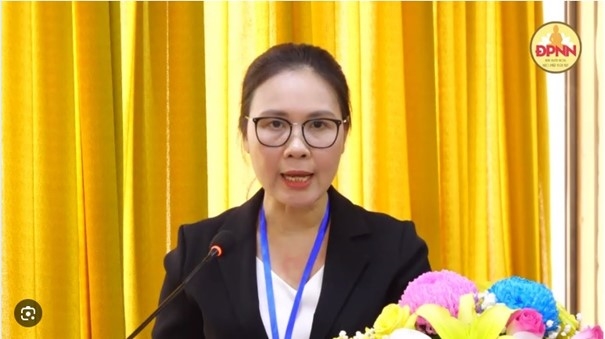 Photo 1: Ms. Tran Thi Minh Nga, Deputy Head of the Government’s Religious Affairs Committee
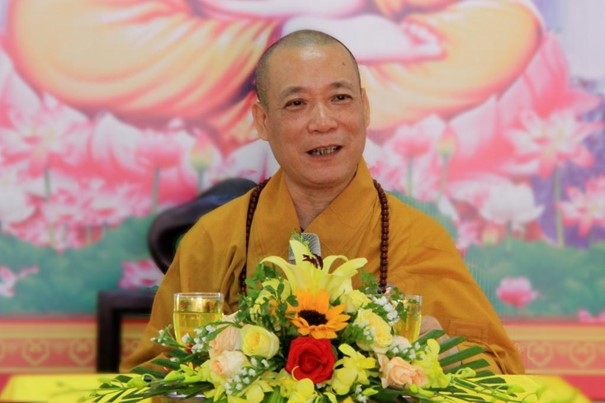 Photo 2: Venerable Thich Bao Nghiem, Vice Chairman of the Central Executive Council of the Vietnam Buddhist Association
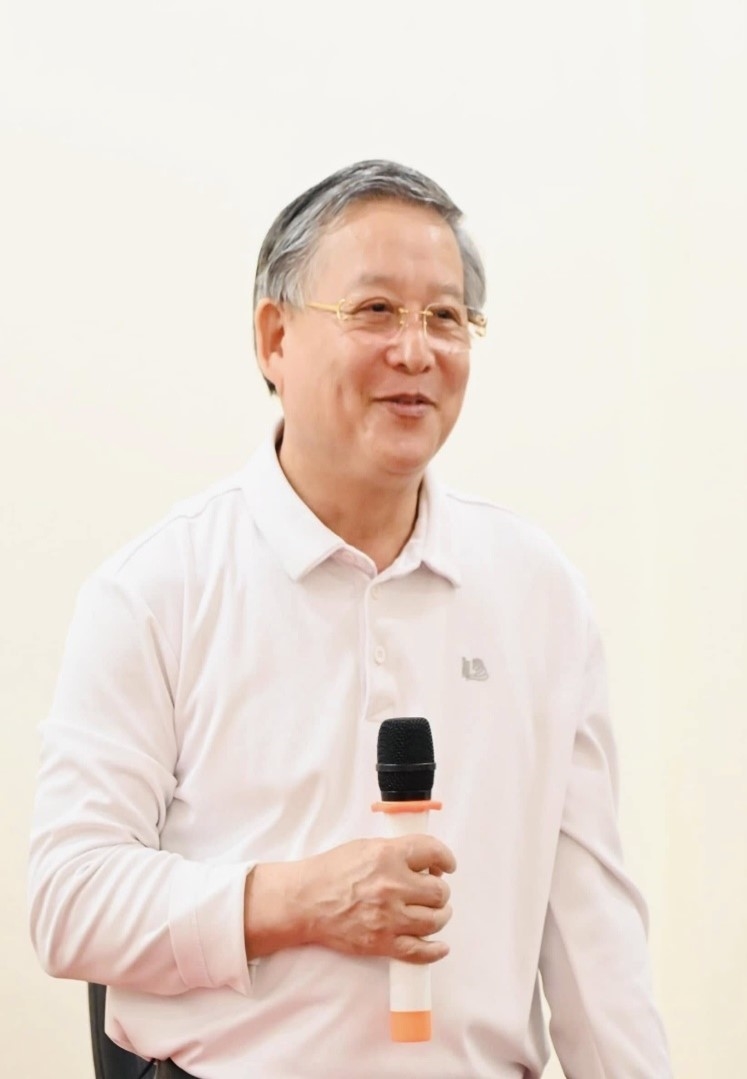 Photo 3: Dr. Bui Huu Duoc, former Director of the Buddhist Affairs Department, Government’s Religious Affairs Committee