Buddhism regards filial piety as “the Buddha’s mind and Buddha’s conduct”. “Parents are living Buddhas” for every person. Filial piety is spiritual salvation. Filial piety in Buddhism is about respecting and supporting parents both materially and spiritually, guiding them towards the right path. In Buddhism, the images of the Great Filial Piety Bodhisattva Maudgalyayana, Bodhisattva Avalokiteshvara and Bodhisattva Ksitigarbha... are symbols of profound filial piety, a willingness to endure suffering to save relatives and all living beings. The spirit of filial piety is further elevated in the philosophy of loving and repaying kindness throughout countless lifetimes and to all living beings.
Filial piety in Catholicism is included in the commandments. Filial piety is the first of the seven commandments concerning one’s neighbor (after the three commandments concerning God). The fourth commandment states that: “Respect and honor your parents”. While parents are alive, children must love, respect, obey and help them. When parents pass away, every year on the anniversary of their death, their children and grandchildren have the duty to request Masses for their deceased grandparents and parents and in order to pray at Mass in November (the month of prayer for the deceased faithful).
In Islam, the Quran contains teachings about the duties of children towards their parents. Accordingly, children have the duty to care for, obey, respect their parents and to uphold the honor and good traditions of the family. The Quran emphasizes treating parents with gentleness and respect, refraining from uttering even the slightest insult or raising one’s voice towards them.
Speaking of filial piety, in Brahmanism, parents are considered divine beings and children serving their parents is a sacred act, representing a lifelong moral duty.
Religions such as Buu Son Ky Huong, Tu An Hieu Nghia, Pure Land Buddhist Association of Vietnam, Hoa Hao Buddhism, and Cao Dai all share common points regarding filial piety according to the Buddha’s teachings and also have specific aspects that are concretized according to their practice on the foundation of Buddhism. For example, Buddhist teachings mention “Repaying the four great debts of gratitude above, and relieving the suffering of the three realms below”, which are the debt to parents, the debt to teachers, the debt to the nation and the debt to all living beings. In Buddhism, the Four Virtues of Filial Piety and Righteousness state the guiding principle of practice as: “Practicing the Four Virtues - Living a life of filial piety and righteousness - For the great unity of the nation”, in which the Four Virtues include: gratitude to ancestors and parents, gratitude to the country, gratitude to the Three Jewels (Buddha, Dharma, Sangha) and gratitude to fellow countrymen. The Four Virtues of Filial Piety and Righteousness take filial piety as its foremost principle. Generally, filial piety refers to the duties and responsibilities of children towards their parents, and more broadly, of each individual towards their community and nation.
In summary, in all religions, filial piety is given special importance and mentioned in many scriptures. The diversity in the interpretation of filial piety across religions creates a rich humanistic landscape, contributing to the solid foundation of morality for each individual and society. Filial piety transcends all boundaries of religion, belief and ethnic group. Filial piety is the thread that connects generations, to be the standard for evaluating a person’s character and the foundation of sustainable development in the family and society.
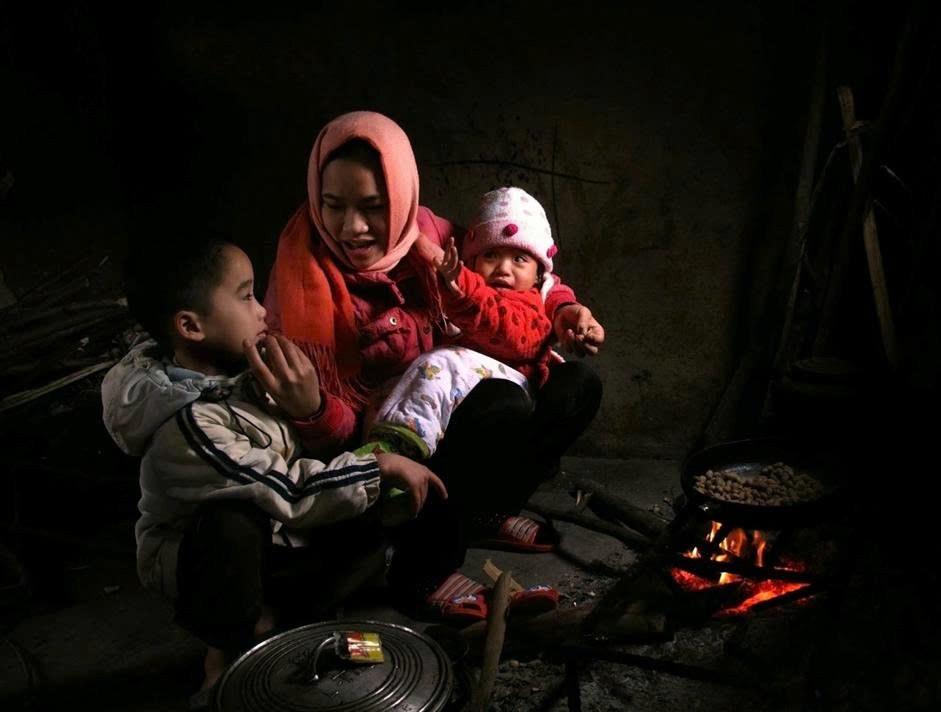 Filial piety is the moral foundation of every person and should be nurtured from childhood
