The history book in stone
On the stele, the Chinese characters are deeply engraved, the strokes sharp and neat, even after being exposed to rain and sunshine, the image is still quite clear. The content records the glorious achievements of Le Hoan from the time he assisted the Dinh dynasty, quelled rebellions, ascended the throne as Emperor, until the invading Song army was defeated, secured the borders and expanded the nation. The beer also praised the agricultural policy, encouraged production, organized the government apparatus and maintained diplomatic relations with neighboring countries… It can be said that the stone stele in Xuan Lap commune is a “history in stone”, concise yet accurate, reflecting the career and stature of a capable king.
Notably, the inscription not only extols Le Hoan’s governing talent but also portrays him as a king who was close to his people, cared about production and knew how to unite the strength of the people. This is a key difference from many other inscriptions of the same period, which often focused on praising the achievements of the imperial court.
Art and craftsmanship
The stone stele in the Le Hoan temple has the common form of steles from the Le Dynasty. The stele body is rectangular and stands upright, placed on the back of a stone turtle, with the top carved with patterns of the four mythical creatures and fiery clouds.
The artist harmoniously combined strong lines with delicate details, showcasing the masterful sculpting skills of the 17th century. A distinctive feature is the image of a turtle carrying a stele, symbolizing the enduring and eternal nature of knowledge and morality. In folklore, turtles are associated with perseverance and patience, possessing the strength to support the past and pass it on to the future.
Therefore, the stone stele in the Le Hoan temple not only records but also embodies a philosophy of life: the merits of a wise ruler must be passed down through generations.
Firstly, the stone stele is historical evidence affirming the existence of the Early Le Dynasty and the immense role of Le Hoan in national building and defense. For researchers, this is a valuable source of original material that supplements official historical records, especially since many historical sources about this period are scarce.
Secondly, the stone stele has cultural and educational value. Through the centuries, the stele has continued to tell the story of national pride and the principle of “drinking water, remembering the source”. For the younger generation, the stone monument serves as a “living lesson”, reminding them of their responsibility to continue the tradition and preserve their independent and self-reliant character.
Thirdly, the stone steles affirm the artistic and architectural value of Vietnamese carving art in the 17th century. The intricate patterns, balanced composition and richly symbolic decorative language demonstrate the skill of the artisans and the aesthetic sensibilities of the time.
A symbol of Thanh Hoa’s resilience
Beyond its material value, the stone stele in the Le Hoan temple is also a symbol of Thanh Hoa’s status. Thanh Hoa is the birthplace of many dynasties and the land of national heroes. The erection of the monument honoring Le Hoan further affirms the pioneering role of this land in the nation’s historical process. Every year, when the festival commemorating King Le Dai Hanh takes place, thousands of people flock to admire the stone stele and offer incense in remembrance. It’s not just about paying tribute to the past; it's also an act of affirming the culture and pride of Thanh Hoa province to friends from all over the world.
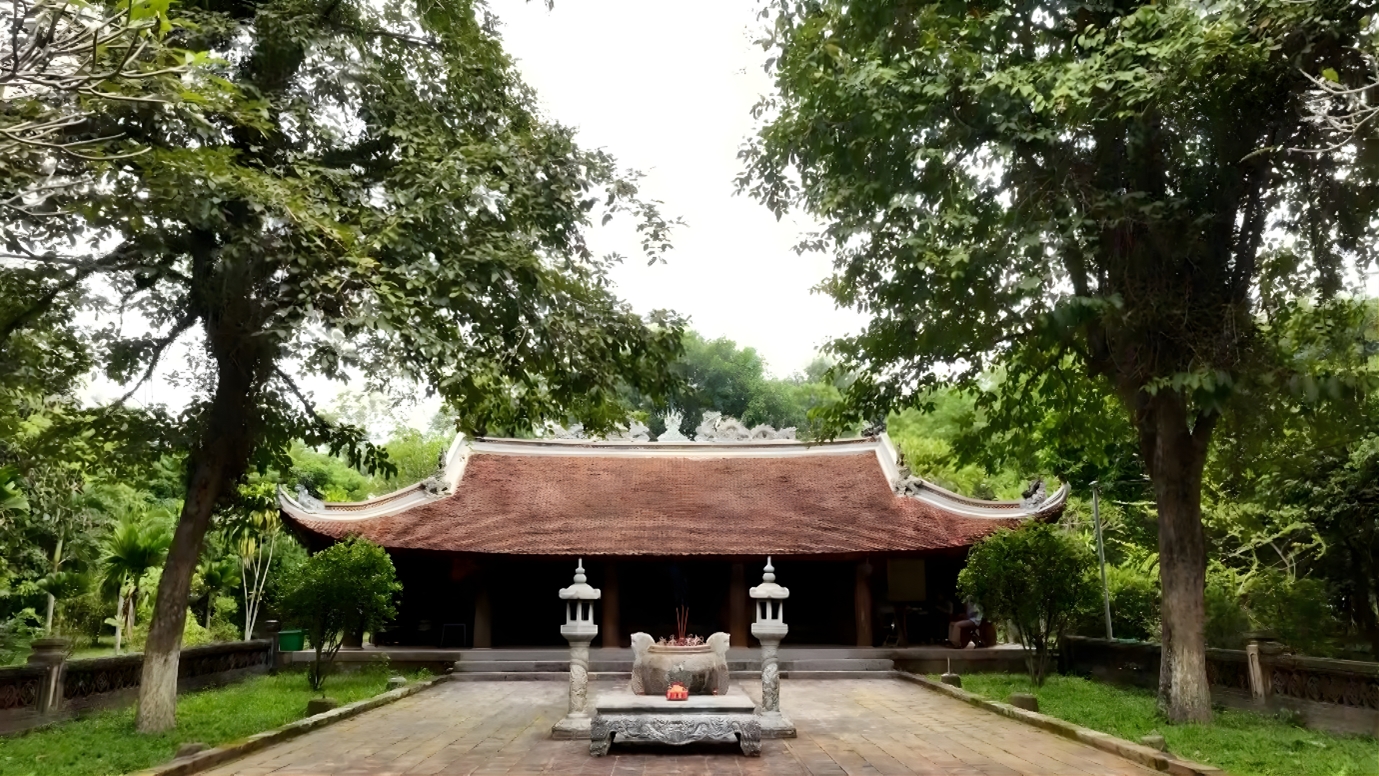 The Le Hoan Temple is a special national historical monument
Having been exposed to rain and sun, the stone stele now shows signs of weathering and the inscriptions are fading. Conservation efforts present many challenges, requiring both the preservation of original values and the application of modern conservation techniques to prevent further damage. The authorities and cultural sector of Thanh Hoa province have placed the stone stele under special management, carrying out cleaning, protection, and digitization of the documents. However, for this heritage to endure, it requires the collective effort of the community by respecting the historical site’s space, raising awareness of its protection, at the same time incorporating the value of the stone stelae into educational, research and tourism programs.
Between the hustle and bustle of modern life, that stele silently reminds future generations of the heroic spirit of the Early Le Dynasty and the responsibility to preserve and promote this heritage. Preserving and disseminating the value of stone steles is a way to affirm Thanh Hoa’s position in the flow of history and in order to affirm the immortal vitality of Vietnamese culture.
