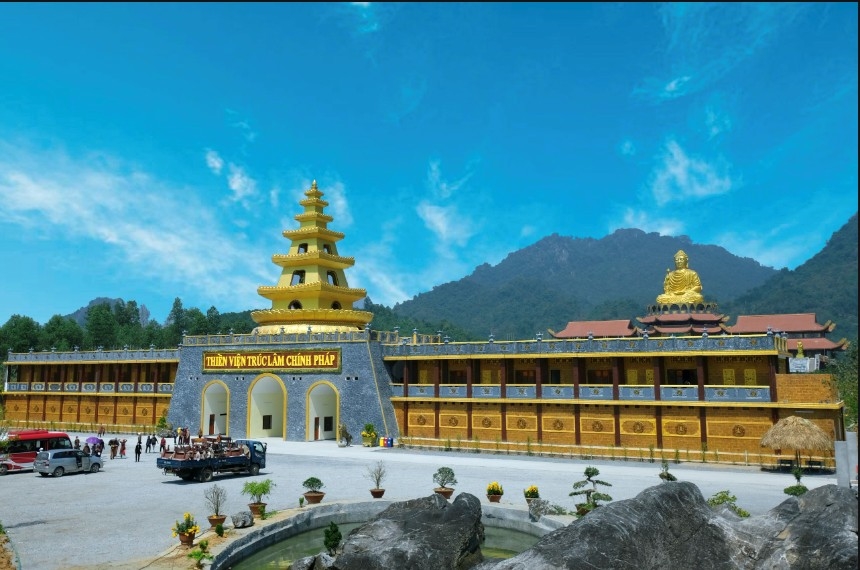
 Truc Lam Chinh Phap Zen Monastery, Tuyen Quang
Tuyen Quang province is famous for many sacred temples such as: Quan Hoang Temple dedicated to Grandfather Cong Hoang, a Lo Lo ethnic hero; Cam Son Temple, Y La Temple; Ho Uncle Temple; Thac Cai Temple,...
In there, Y La Temple is one of the famous and sacred temples, it was awarded a national relics recognition certificate on March 18th, 2016. With its ancient architecture, art and historical, cultural value, Y La Temple has become a spiritual tourism destination attracting visitors from all over to come and worship and pray for peace.
The temple was built in 1743, the 4th year of the Canh Hung reign. According to legend, the temple was built to worship Princess Phuong Dung (who is considered to be an incarnation of the Holy Mother Thuong Thien). Therefore, the temple is also known as the Temple of the Holy Mother Y La. Currently, the temple still preserves many relics, artifacts and architectural features characteristic of its history, such as: The complex includes monolithic stone stelae, intricately carved and gilded jackfruit wood statues, bronze bells, bronze gongs, centuries-old large calligraphic inscriptions and horizontal plaques with couplets...
Along with cultural and religious sites dedicated to the Mother Goddess, Tuyen Quang province has famous and sacred Buddhist temples with unique architecture, nestled amidst the lush greenery of the mountains and forests, attracting numerous visitors for worship and Buddhist rituals. Typical examples include: Sung Khanh Pagoda, Binh Lam Pagoda, Hang Pagoda, Trung Quang Pagoda, Phu Lam Pagoda, Dai Bi Pagoda, Bao Ninh Sung Phuc Pagoda, Phu Thi Pagoda, An Vinh Pagoda, Truc Lam Chinh Phap Zen Monastery...
Distinguished by its modern and magnificent architecture, Truc Lam Chinh Phap Zen Monastery was built starting in 2019 in Trang Da, Nong Tien Ward, Tuyen Quang Province. Despite being newly built, the monastery has quickly become a popular destination for tourists and Buddhist devotees.
The monastery is situated with its back against Dum Mountain and its front facing the Lo River. The monastery's architecture includes the main hall with three floors: The complex includes a lecture hall, a meditation hall and an open-air ceremonial courtyard. Above the courtyard stands a three-story tower. Located at the highest point of the tower is a statue of Buddha Shakyamuni holding a lotus flower branch. The Buddha statue is 18 meters high and 12 meters wide, with a lotus pedestal 4 meters high. The buildings constructed on a vast site of nearly 20 hectares, embody traditional Buddhist culture harmoniously blended with modern elements.
Besides attracting tourists to visit and worship at temples, pagodas and shrines, Tuyen Quang province also draws a large number of domestic and foreign visitors to its traditional festivals that reflect the unique religious beliefs of ethnic minority communities, such as: The Tay people’s Long Tong festival; the Pa Then people’s Fire Dance festival; the Mong people’s Gau Tao festival; the Lo Lo people’s ancestor worship and village cleansing ceremony...
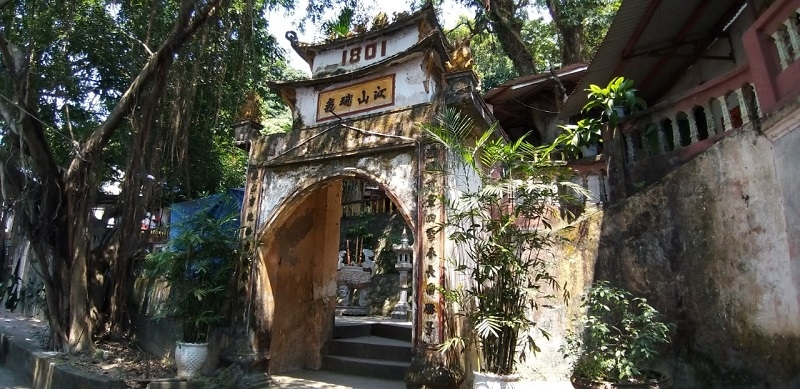 The Y La Temple in Tuyên Quang province received the National Relics Recognition Certificate on March 18th, 2026
In recent years, the procession of the goddesses from the three temples during the festival of the Upper Temple, Lower Temple, Y La Temple, held around the second lunar month each year has attracted a large number of visitors. This is a large-scale spiritual festival that was recognized as a National Intangible Cultural Heritage in 2018. The festival is a celebration and preservation of the Mother Goddess worship tradition, demonstrating the principle of “drinking water, remembering the source” and expressing gratitude for the merits of our ancestors. People attending the festival and paying respects at the Upper Temple, Lower Temple, Y La Temple also express their gratitude to the Mother Goddess for her blessings of bountiful harvests, prosperous lives, happiness and good health.
Following the merger, Tuyen Quang province has even more advantages for developing the tourism industry, especially cultural and spiritual tourism. The combination of majestic natural landscapes, the cultural identity of various ethnic groups and ancient, sacred places of worship is a powerful driving force behind the development of the tourism industry.
