English review |
MA. Dang Thi Kim Thoa; Dr. Tran Tan Vinh -
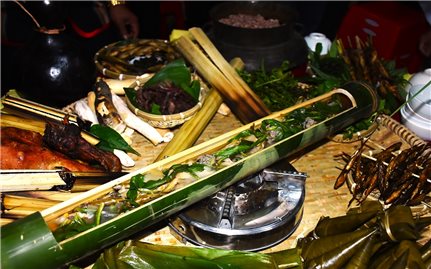
19:59, 22/10/2026 Abstract: This article explores the concept of “green cuisine” in the context of community-based tourism development in the mountainous areas of Da Nang city, where ethnic minorities (Co-tu, Co, Xo-Dang,...) still preserve traditional practices closely connected to the forest and mountain environment. Green cuisine is reflected in clean ingredients (red upland rice, wild vegetables, free-range chicken, local pork, stream fish, bamboo shoots, mushrooms,…), chemical-free farming methods, eco-friendly processing techniques (bamboo tube rice, Zira soup, smoked meat, Ta Vac wine), and the use of biodegradable natural materials (wild banana leaves, bamboo/reed tubes, gourd shells, dong leaves) for packaging, wrapping and serving food. These practices not only preserve ethnic knowledge and ecological balance but also create unique experiences for community tourism, contributing to the development of sustainable livelihoods. The author emphasizes the need to avoid excessive commercialization in order to preserve cultural and ecological values, at the same time proposing the conservation of local plant species and the central role of the community in developing green tourism.
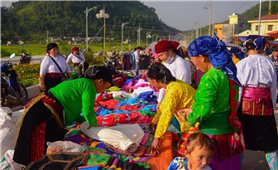
Abstract: This article analyzes the mobilization of ethnic cultural values as economic resources in Vietnam’s land border regions through a comparative study of two cases: the Hmong people in Then Pa village and the black Lo Lo people in Lo Lo Chai village, Lung Cu commune, Tuyen Quang province. Based on the theoretical framework of cultural capital and ethnographic methods, the study examines the various mechanisms by which cultural practices, knowledge, architecture, cuisine and social institutions are transformed into livelihood strategies. The research findings reveal diversity in the pathways of cultural capital transformation, while also highlighting the role of community organizations and community control in shaping sustainable economic development models.
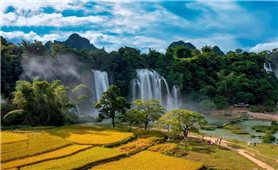
Abstract: This article primarily uses a qualitative approach to analyze potential factors, collecting data from two main sources: secondary sources (planning documents, socio-economic reports, historical texts related to Ca Thanh commune, Cao Bang province) and primary sources collected through field surveys and in-depth interviews with stakeholders including cultural management officials, local people, tourists and tourism experts. The collected data will be processed using synthesis, comparison and especially WOT (Strengths, weaknesses, opportunities, threats) analysis to comprehensively analyze and assess the potential for community tourism development in Ca Thanh commune, as well as its limitations and challenges, based on this, several solutions for developing community tourism are proposed to effectively exploit cultural identity, promote the role of the community, improve infrastructure, diversify products and promote policies supporting sustainable tourism development.

The culture of the Gia-rai people are vigorously reviving their ancient culture through community tourism model. No longer confined to the self-sufficient space of their villages, the culture of the Gia-rai people is now becoming an open world for tourists to come and admire. This tourism model helps the Gia-rai people preserve their most authentic cultural values.
