English review |
Dr. Lò Giang Pao* ; MA. Nguyen Duy Dung** -
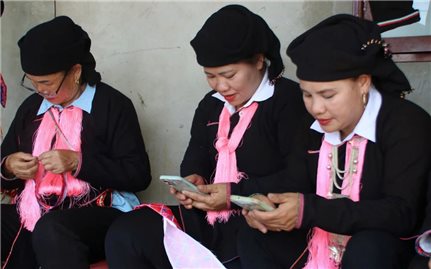
08:32, 17/08/2026 Abstract: In the context of the vigorous national digital transformation, building a digital ecosystem to foster sustainable development in ethnic minority and mountainous regions has become an urgent necessity to narrow the development gap, improve quality of life and harness the communities’ endogenous resources. The digital ecosystem comprising digital infrastructure, data, platforms, services and human resources serves as the foundation for the development of the digital economy, digital society and digital government. In recent years, many localities in ethnic minority and mountainous areas have progressively expanded telecommunications infrastructure, adopted e-commerce, digitized cultural data and provided online public services. The author analyzes the role and current state of, and proposes solutions for, building a comprehensive digital ecosystem, thereby contributing to the sustainable development of ethnic minority and mountainous areas in the current period of digital transformation and integration.

English review |
Dr. Le Phe Thang*; MA. Nguyen Thi Diep** -
14:25, 15/08/2026 Abstract: In the context of national digital transformation and the development of the digital economy, connecting OCOP products from ethnic minority and mountainous areas to e-commerce platforms is emerging as a crucial solution for expanding markets, enhancing product value and fostering local economic development. Leveraging local knowledge, cultural identity and distinctive raw materials, many OCOP products from ethnic minority communities have gradually gained access to e-commerce platforms, thereby boosting revenue, building brand recognition and creating sustainable livelihoods for local residents. This article analyzes the role and current state of connecting OCOP products via digital platforms, evaluates associated opportunities and challenges, and proposes key solutions to enhance the effectiveness of e-commerce adoption. In doing so, it contributes to fostering digital transformation, developing community-based economies and achieving sustainable poverty reduction in ethnic minority and mountainous areas.
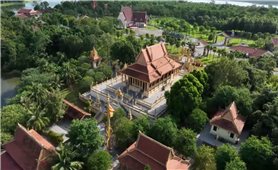
Abstract: The article focuses on clarifying the theoretical and practical foundations of cultural tourism; analyzing cultural tourism resources and the current state of its development; assessing the multidimensional impacts of cultural tourism on socio-economic development and cultural preservation in ethnic minority and mountainous areas during the country’s new era.

Abstract: At its 10th session, the 15th National Assembly decided to integrate three National Target Programs: New Rural Development, Sustainable Poverty Reduction and Socio-Economic Development in ethnic minority and mountainous areas into a single National Target Program on New Rural Development, Sustainable Poverty Reduction and Socio-Economic Development in ethnic minority and mountainous areas for the period of 2026-2030. This integration is necessary and is expected to create sustainable development for ethnic minority and mountainous areas in the future.
English review |
Dr. Phung Quang Thien* MA. Nguyen Duy Dung** -
16:54, 20/06/2026 (DTTG) - Abstract: In the context of implementing ethnic policies towards integration and sustainable development, reforming the socio-economic governance methods of ethnic minority and mountainous areas has become an urgent requirement. This research focuses on clarifying the theoretical and practical basis of the transition from an administrative management model to a dynamic, modern, people-centered and community-based development management model. Based on an analysis of the limitations of traditional governance methods, this article emphasizes the significance of governance innovation in improving policy effectiveness, enhancing integration, coherence and uniformity, promoting inclusive development and narrowing regional disparities. At the same time, the research affirms that innovation in governance methods is not only a technical requirement but also a shift in development thinking, contributing to strengthening national unity and ensuring sustainable development in ethnic minority and mountainous areas in the current period.

(DTTG) - Abstract: The local knowledge of ethnic minority communities is a unique resource, accumulated over a long historical process, closely linked to the natural conditions, ecological environment and cultural, social life of the community. In the context of current scientific and technological development and the demands of sustainable development, the application of science to preserve, promote and enhance the value of local knowledge has become a matter of profound theoretical and practical significance. This article analyzes the role of science and technology in systematizing, standardizing, digitizing and integrating local knowledge with modern science, thereby creating added value in production, livelihoods and cultural preservation. Based on an assessment of the current situation and the challenges faced, the research proposes directions and solutions to ensure the active participation of the community, harmonizing the preservation of local knowledge with innovation, contributing to the sustainable development of ethnic minority and mountainous areas.
(DTTG) - Abstract: Sustainable poverty reduction is not only a socio-economic goal but also an important aspect of ensuring and promoting human rights, especially for ethnic minorities. In the context where the “core of poverty” in the country is concentrated mainly in ethnic minority and mountainous areas, the simultaneous implementation of the National Target Program for sustainable poverty Reduction and the National Target Program for socio-economic development of ethnic minority and mountainous areas for the period ogg 2021-2025 has created significant changes in income, living conditions and access to basic social services for ethnic minorities. From a human rights perspective, this article analyzes the theoretical and legal basis, evaluates the outstanding results in poverty reduction practice during the period of 2021-2025, at the same time clarifying the development in Vietnam’s policy thinking from ensuring social security to inclusive development, considering the poor, including ethnic minorities as the subjects of development.
English review |
MA. Nguyen Thi Anh; MA. Nguyen Duy Dung ; MA. Vo Thi Thao Nguyen -
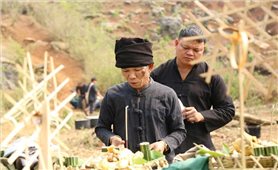
15:44, 08/04/2026 (DTTG) - Abstract: This article analyzes the interactive relationship between the traditional customs and practices of ethnic minority groups and the process of building new rural areas in Vietnam. Based on a cultural-development approach, the research indicates that the customary systems of ethnic minority communities are both an endogenous resource supporting the implementation of new rural development criteria and a potential barrier in terms of behavior, perception and social institutions. By identifying positive customary factors such as community cohesion, environmental protection and identity preservation, as well as negative factors such as outdated production practices, costly rituals and conflicts between customary and legal laws, this article proposes several flexible approaches suitable to the cultural context of ethnic minority and mountainous areas. Therefore, emphasizing the role of community-based development, local institutional improvement and the harmonious combination of preserving traditional culture with promoting innovation in building new rural areas in a sustainable and inclusive manner.

(DTTG) - Abstract: In the context of globalization, digital transformation and deep international integration, ethnic affairs play a particularly important role in the cause of national construction and development. This is not only a humanitarian field, reflecting the good nature of our regime, but also a pillar of sustainable development, contributing to strengthening national unity and narrowing the development gap between areas and ethnic groups. Current ethnic affairs should be viewed as a driving force for the development of ethnic minority and mountainous areas in a modern direction, linking to the preservation of cultural identity, ensuring national defense and security and enhancing the capacity for international integration. Rethinking, improving institutions, leveraging community strengths and applying science and technology are urgent requirements to affirm the position and role of ethnic affairs in the era of national resurgence.

(DTTG) - This article focuses on analyzing the achievements, challenges and directions for improving ethnic policies in the new era, a period where the spirit of national self-reliance combined with deep international integration demands both respect for cultural identity and the promotion of comprehensive development in ethnic minority and mountainous areas.
