English review |
Dr. Lò Giang Pao* ; MA. Nguyen Duy Dung** -
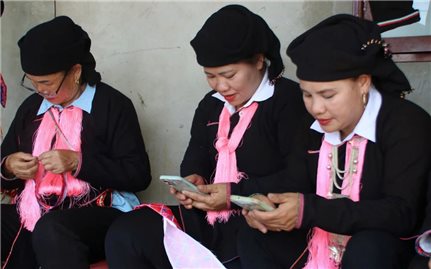
08:32, 17/08/2026 Abstract: In the context of the vigorous national digital transformation, building a digital ecosystem to foster sustainable development in ethnic minority and mountainous regions has become an urgent necessity to narrow the development gap, improve quality of life and harness the communities’ endogenous resources. The digital ecosystem comprising digital infrastructure, data, platforms, services and human resources serves as the foundation for the development of the digital economy, digital society and digital government. In recent years, many localities in ethnic minority and mountainous areas have progressively expanded telecommunications infrastructure, adopted e-commerce, digitized cultural data and provided online public services. The author analyzes the role and current state of, and proposes solutions for, building a comprehensive digital ecosystem, thereby contributing to the sustainable development of ethnic minority and mountainous areas in the current period of digital transformation and integration.

English review |
Dr. Le Phe Thang*; MA. Nguyen Thi Diep** -
14:25, 15/08/2026 Abstract: In the context of national digital transformation and the development of the digital economy, connecting OCOP products from ethnic minority and mountainous areas to e-commerce platforms is emerging as a crucial solution for expanding markets, enhancing product value and fostering local economic development. Leveraging local knowledge, cultural identity and distinctive raw materials, many OCOP products from ethnic minority communities have gradually gained access to e-commerce platforms, thereby boosting revenue, building brand recognition and creating sustainable livelihoods for local residents. This article analyzes the role and current state of connecting OCOP products via digital platforms, evaluates associated opportunities and challenges, and proposes key solutions to enhance the effectiveness of e-commerce adoption. In doing so, it contributes to fostering digital transformation, developing community-based economies and achieving sustainable poverty reduction in ethnic minority and mountainous areas.
Abstract: The article focuses on clarifying the theoretical and practical foundations of cultural tourism; analyzing cultural tourism resources and the current state of its development; assessing the multidimensional impacts of cultural tourism on socio-economic development and cultural preservation in ethnic minority and mountainous areas during the country’s new era.
English review |
Dr. Phu Van Han* ; MA. Nguyen Duy Dung** -
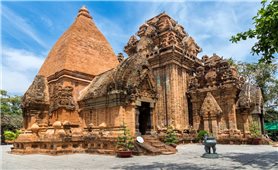
11:42, 05/08/2026 Abstract: Khanh Hoa province is one of the localities that preserves many distinctive values of Cham culture, notably its system of architectural and religious sites, traditional festivals and forms of intangible cultural heritage that hold profound historical, artistic and humanistic significance. This article analyzes the role of preserving and promoting Cham cultural values in local tourism development, at the same time also assessing the current state of utilizing Cham cultural heritage for tourism activities in Khanh Hoa province. Research findings indicate that Cham cultural heritage not only contributes to preserving ethnic cultural identity but also creates distinctive tourism products, enhancing destination appeal and fosters sustainable tourism development. Based on this, the author proposes several solutions to harmoniously integrate heritage preservation with tourism development in the current context.
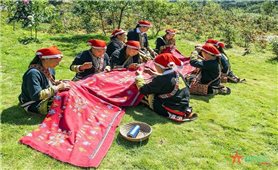
(DTTG) - Abstract: Traditional crafts of ethnic minorities are an important component of their cultural identity, at the same time to be a unique resource for socio-economic development in ethnic minority and mountainous areas. This article focuses on analyzing the value, role and potential of traditional crafts in ethnic minority communities for the development of cultural industries; it also points out the limitations and challenges posed in the process of conservation and promotion. Based on that, several solutions are proposed to effectively promote the traditional crafts of ethnic minority communities as an important resource for the development of cultural industries, linked to the goal of sustainable development.
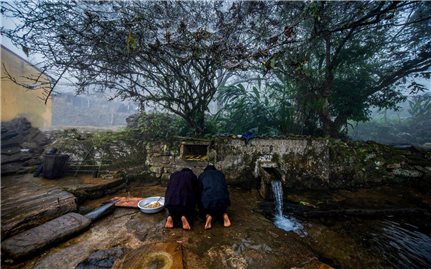
(DTTG) - Abstract: The Ha Nhi people in Lao Cai province, mainly belonging to the Black Ha Nhi ethnic group, living concentrated in the high mountainous area of Bat Xat commune. Through their long-term habitation and farming practices, this community has developed a close relationship with the forest, viewing it both as a living space and a sacred entity in their cultural and religious life. Based on their agricultural production experience and traditional beliefs, the Ha Nhi people have developed a rich system of folk knowledge in their interactions with the forest, expressed through community conventions, customary laws, religious rituals and farming practices aimed at rationally exploiting and sustainably protecting forest resources. This article focuses on analyzing the content and role of folk knowledge in forest protection among the Ha Nhi people, thereby clarifying the socio-cultural values and practical significance of this knowledge system for forest resource management and sustainable development in the locality today.

(DTTG) - Abstract: This article focuses on analyzing the outstanding achievements of Vietnam’s ethnic policy in recent decades, especially from the renovation period to the present. Through this, the author clarifies the positive changes in the socio-economic, cultural and educational lives of ethnic minority communities. However, in the context of a new era with many challenges, such as digital transformation, climate change, international integration and sustainable development,… ethnic policies are facing many issues that need further improvement. This article outlines the challenges and proposing several directions to improve the effectiveness of ethnic policies in the coming period.
English review |
Dr. Le Phu Thang* - MA. Nguyen Thi Diep** - MA. Vo Thao Nguyen*** -
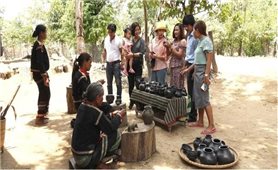
15:57, 10/03/2026 (DTTG) - Abstract: Preserving the cultural identity of indigenous ethnic minorities in the Central Highlands region in the context of poverty reduction is both an urgent and a long-term strategic issue. This article analyzes the relationship between cultural identity preservation and poverty reduction in the local ethnic minority communities of the Central Highlands. Based on the theory of sustainable development and the role of culture as an endogenous resource, this article shows that integrating cultural elements into poverty reduction programs not only helps improve economic efficiency but also strengthens self-reliance, identity and community cohesion. Based on a research of several local models, this article proposes policy solutions to promote an integrated approach between culture and development, centered on the community, aiming for sustainable development in the ethnic minority areas of the Central Highlands.
English review |
MA. Nguyen Duy Dung, Journal of Ethnic and Religious Research -
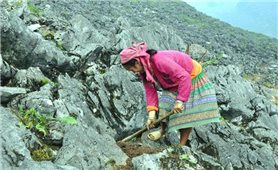
18:50, 02/03/2026 (DTTG) - Abstract: The local knowledge of ethnic minority communities in the northern mountainous areas is a particularly valuable cultural and social resource, formed through a long process of adaptation to specific ecological and environmental conditions. This article analyzes the structure, function and operating mechanisms of local knowledge in fields such as resource management, agricultural practices, biodiversity conservation, community organization and social relationship regulation. Based on this, the research analyzes the role of local knowledge in sustainable development, while also highlighting the challenges posed in the context of modernization, climate change and economic integration. At the same time, the article proposes directions and solutions to effectively integrate local knowledge into regional development strategies, ensuring harmony between growth, welfare and preservation of cultural identity.
