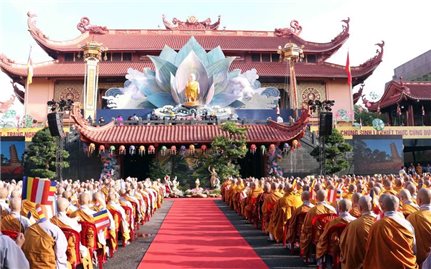
(DTTG) - Abstract: Vietnamese Buddhism is a religion with a tradition of “protecting the nation and ensuring the people’s peace” and “walking alongside the nation”, remaining constantly bound to the country’s destiny. History has proven that when the country is powerful, Buddhism flourishes; when the Fatherland faces peril, Buddhism always stands side-by-side with the nation, ready to rise up against foreign invaders and contribute to regaining the country’s independence. Inheriting and developing the glorious traditions of Vietnamese Buddhism, the Vietnam Buddhist Sangha has accompanied the people of the whole country in carrying out the reform process in a spirit of harmony, solidarity and with the motto “serving the religion, loving the country”, The Vietnam Buddhist Sangha has directed its organizations at all levels to leverage the Sangha’s roles and resources in the cause of national construction and defense; to participate in social activities such as healthcare, education, social welfare, vocational training, humanitarian charity, environmental protection and climate change response; and to place special emphasis on fostering the great national unity bloc.
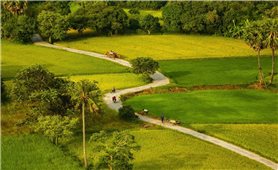
(DTTG) - From clean and beautiful concrete roads, bright electric lights, in order to classrooms filled with children’s voices... the ethnic minority area of An Giang province has changed thanks to the capital of the 1719 Program.
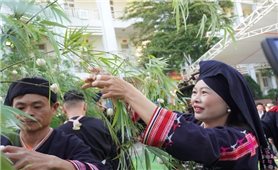
(DTTG) - Once every three to four years, the Dao Tien people in Doan Ket and Tan Yen communes, as well as Thao Nguyen and Van Son wards (Son La province), celebrating the Pung Hieng festival, also known as the Ha Nien festival. The festival takes place from the 29th day of the last lunar month through the second day of the Lunar New Year. Through the festival, the worship of ancestors and deities along with the spirit of clan and ethnic solidarity is preserved and promoted.
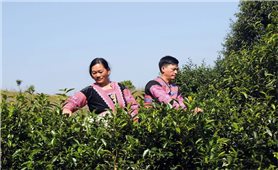
(DTTG) -A top of Pha Det Peak in On Oc Village, Chieng Hac commune, Son La province, ancient Shan Tuyet tea trees stand silently, enduring as "living witnesses" to the passage of time. Between the year-round cool climate and enveloping mist, the local cluster of ancient tea trees serves not only as a precious ecological asset but also as a foundation for building a brand and fostering sustainable economic and tourism development.
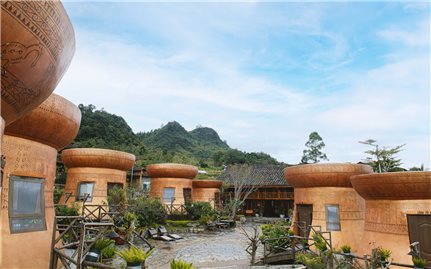
(DTTG) - On your journey to Lung Cu commune, the northernmost frontier of the country for a spring trip in 2026 (the Year of the Horse), be sure to stop at Lo Lo Chai village. Recently honored as one of the world’s Best Tourism Villages, it offers the perfect setting to treat yourself to a stay at Danh House and fully savor the essence of spring in this borderland region.
English review |
MA. Le Thi Ly*; MA. Phung Thi Thanh Loan** -
18:10, 07/09/2026 Abtract: Vietnam is a multi-religious country. Throughout the nation's history, religions have made contributions in various areas, most notably to culture and ethics. Cultural and religious-ethical values have contributed to shaping the cultural identity of the Vietnamese nation. The contribution of religion throughout various historical periods has depended heavily on the State’s perspective and approach toward religion, as well as the attitudes of the religious communities themselves.
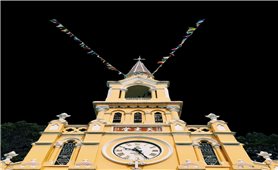
(DTTG) - Located near the Lon Market area of Ho Chi Minh city, St. Francis Xavier Church is commonly known to locals by the familiar name “Cha Tam Church”. For admirers of the history and architecture of old Saigon, the church is far more than a mere religious site; it is likened to a precious gem, a vivid testament to the unique cultural blend of Western romanticism and Eastern antiquity.
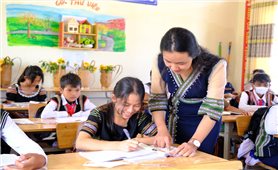
(DTTG) - The results of the third survey (conducted in 2024) on the socio-economic status of 53 ethnic minority groups indicate that the demographic, religious, and socio-economic landscape of ethnic minorities in Vietnam has undergone significant positive changes compared to April 2019.
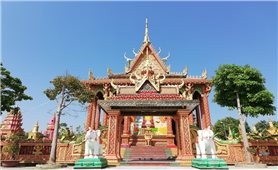
(DTTG) - Abstract: State management of religious affairs is a crucial task that contributes to strengthening the great national unity of the entire country in general and Ca Mau province in particular. This article analyzes the results of implementing Directive 18-CT/TW (dated January 10th, 2018) of the Politburo about the continued implementation of Resolution 25-NQ/TW (dated March 12th, 2003) of the 9th Party Central Committee on religious affairs in the new context in Ca Mau Province during the period of 2018-2024; it also proposes solutions to enhance management effectiveness, linked to the reorganization of administrative units and the establishment of a two-tier local government model.
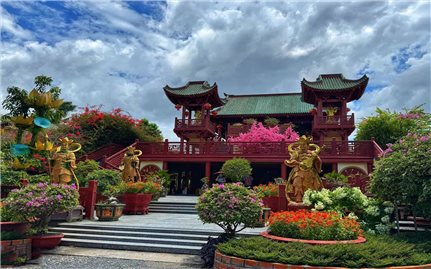
(DTTG) - Nestled at the foot of the majestic That Son mountain range, Lau pagoda (officially named Phuoc Lam pagoda) in An Giang province has long been a must-visit destination. This site serves not only as a religious hub for Buddhists in the Seven Mountains region but also as a unique architectural marvel; it embodies a harmonious blend of traditional Vietnamese culture and Japanese architectural styles, creating a distinctive character rarely found elsewhere in the Southwestern Vietnam.
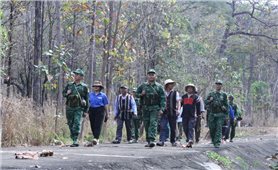
Abstract: Cultural security in ethnic minority areas is a crucial component of non-traditional security, inextricably linked to social stability, the strengthening of national unity and the country’s sustainable development. In the context of globalization, international integration and the explosion of the digital media landscape, the traditional cultural values of ethnic minority communities are subject to multifaceted impacts, giving rise to new challenges for ensuring cultural security. The article approaches the issue based on the theoretical framework of cultural security and the governance of cultural diversity; it analyzes the current situation and identifies risks such as the erosion of cultural identity, the disruption of cultural transmission and the exploitation of cultural and religious issues to incite social instability. On this basis, the author proposes several orientations and solutions to strengthen cultural security and uphold the community’s role as the primary actor, thereby contributing to the stability and sustainable development of ethnic minority and mountainous areas in the current new era.
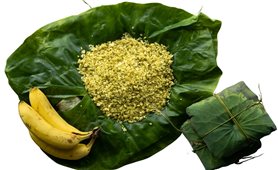
(DTTG) - From the early morning, while dewdrops still clung to the foliage, the country market would bustle with familiar calls: “Who wants beo cake (banh beo), nam cake (banh nam), or loc cake (banh loc)?”. It was from those humble street-side stalls that Vietnamese cuisine quietly stepped out into the world, carrying with it the flavors of the land, its people and memories of the homeland.
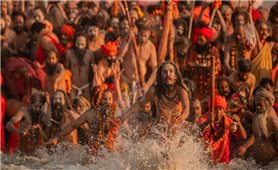
(DTTG) - Recognized by UNESCO as an Intangible Cultural Heritage of Humanity in 2017, the Maha Kumbh Mela is the world’s largest religious festival, drawing the highest number of participants in history. The event is not merely a recurring religious ritual but also a symbol of unity and a testament to the devotion of the Indian people.
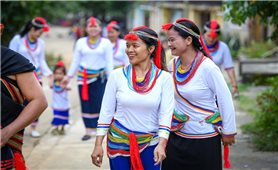
(DTTG) - As modern life permeates even the most remote villages, the Co ethnic people in the highlands of Da Nang city steadfastly preserve their unique cultural heritage. From the sound of gongs echoing in the middle of the forest, to the brilliant beaded chains, to the sophisticated bamboo and rattan weaving craft, the Co people not only preserve the legacy left by their ancestors, but also turn those values into a livelihood, opening the way for sustainable development.
English review |
MA. Tran Hong Quynh*; Hoang Phuong Lien** -
04:38, 02/09/2026 (DTTG) - Abstract: The rights of ethnic minorities are recognized in international legal instruments and classified as civil and political rights; they are fundamental rights to which ethnic minority groups in all countries are entitled. The article focuses on analyzing how Vietnam’s national legal system incorporates the three levels of obligation, respecting, protecting and fully realizing the rights of ethnic minorities.
English review |
Dr. Ly Thi Thu*; Hoang Thi Phuong Lien** -
11:25, 28/08/2026 Abstract: This article identifies various types of resources: human, cultural and local knowledge, natural and environmental, material and socio-political to highlight the significant existing and potential resources possessed by ethnic minority communities, it argues that these resources must continue to be harnessed rationally to achieve dual benefits: fostering rapid and sustainable socio-economic growth in ethnic minority and mountainous areas while aligning with the nation’s overall development goals.
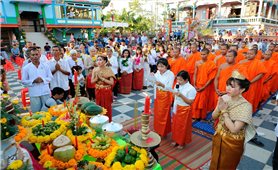
Abstract: The Khmer people belong to the Mon-Khmer language group and have long inhabited the Southern region of Vietnam, possessing a rich and diverse traditional culture with many distinctive values. Among these, agricultural rituals play a central role in the cultural and spiritual life of the Khmer people in the South (Vietnam), continuing to hold significant positive value for community life today. These rituals reflect the dialectical relationship between humans and nature in the context of wet rice production and are an important way to strengthen social structure, maintain cultural identity, as well as educate community ethics. The article focuses on analyzing the identity and value of agricultural rituals of the Khmer people in the South and some solutions to preserve and promote them in the current context of integration and socio-economic change.
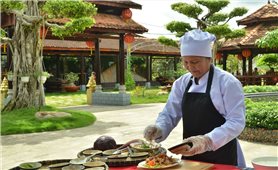
(DTTG) - Vegetarian dishes prepared from the banana plant, a humble and familiar ingredient are highly popular among Cao Dai region and Buddhist followers in Tay Ninh province.
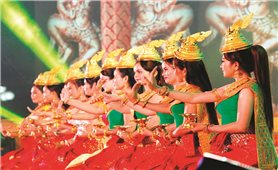
(DTTG) - The Khmer people view music and dance as a bridge between the earthly and spiritual realms. Dance serves to express community solidarity and is closely linked to beliefs, religion and ceremonial customs such as offerings to spirits, deity processions and prayers for peace. It is often said among the Khmer that people learn to dance before they learn to read or write.
